
Ukraine Strikes: Fuel Sales Suspended in Russian-Occupied Crimea Region
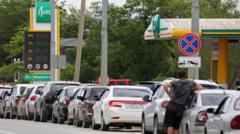
Fuel Supply Crisis Deepens in Russian-Occupied Crimea
A critical shortage of petroleum products has forced authorities to halt fuel sales suspended in Crimea, marking an escalation in the energy crisis affecting Russian-occupied territories. Ukrainian military operations targeting critical oil infrastructure have disrupted supply chains, leaving the region facing unprecedented fuel rationing and civilian hardship.
The decision to completely suspend fuel distribution represents a significant shift from previous rationing measures implemented in response to ongoing Ukrainian attacks on energy infrastructure. Residents and businesses in the peninsula now face severe restrictions on accessing gasoline and diesel, with authorities unable to maintain even limited supply operations.
Impact of Ukrainian Military Operations
Ukraine's strategic campaign against Russian oil facilities has proven increasingly effective at disrupting logistics across occupied territories. The targeting of supply routes and storage facilities has created cascading shortages that extend far beyond immediate fuel availability, affecting transportation, heating, and industrial operations throughout the region.
Military analysts suggest that Ukrainian forces have systematically prioritized energy infrastructure as a key target in their broader strategy to undermine Russian occupation capabilities. By focusing on fuel distribution networks, Ukraine has forced Russian authorities to implement emergency measures and divert resources toward maintaining basic services.
Previous Rationing Measures and Current Escalation
Fuel had been previously rationed across Russian-occupied territories due to persistent shortages created by Kyiv's sustained attacks against vital supply routes. However, the transition from rationing to complete suspension of sales indicates that supply chains have deteriorated beyond manageable levels.
Local reports indicate that authorities have attempted various contingency measures, including emergency imports and temporary distribution restrictions, but these efforts have proven insufficient to meet demand. The complete halt in fuel sales suggests that current reserves are being reserved for essential military and government operations only.
Humanitarian and Economic Consequences
The suspension of fuel sales in Crimea carries significant humanitarian implications for civilian populations. Public transportation services face potential collapse, agricultural operations cannot function without fuel access, and heating systems dependent on petroleum products become unusable during winter months.
Businesses across the occupied peninsula have begun shutting down operations due to inability to access fuel for generators and transportation. This economic contraction further strains already fragile supply chains and reduces the capacity to import essential goods from other Russian-controlled regions.
Strategic Significance of Energy Infrastructure Targeting
The Ukrainian military's focus on fuel infrastructure represents a sophisticated understanding of asymmetric warfare principles. By targeting energy systems rather than conventional military targets, Ukraine has managed to undermine Russian occupation capabilities while maintaining civilian infrastructure relatively intact.
Energy infrastructure remains particularly vulnerable to attack due to its centralized nature and critical importance to all military and civilian operations. The concentration of oil facilities in occupied territories means that successful strikes create widespread disruption across multiple sectors simultaneously.
Looking Forward: Occupation Sustainability Questions
The worsening fuel crisis raises fundamental questions about the long-term viability of maintaining Russian occupation in Crimea and other territories. Without reliable energy supplies, occupation authorities struggle to provide basic services, maintain military readiness, and ensure population compliance through provision of essential goods.
As fuel sales remain suspended and rationing continues, the occupied territories face an uncertain future regarding energy security. The situation demonstrates how targeting critical infrastructure can effectively challenge occupation without necessarily requiring direct military confrontation in populated areas.


