
UK Steel Nationalisation: China Criticises British State Takeover Plan
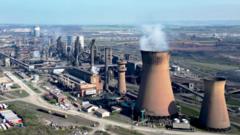
China Criticises UK Steel Nationalisation Decision
The United Kingdom's decision regarding steel nationalisation has drawn sharp criticism from Beijing, marking a significant diplomatic tension between the two nations. The UK steel nationalisation initiative represents a major shift in how the government approaches industrial policy and economic sovereignty.
British authorities have justified the UK steel nationalisation by emphasizing the need to preserve critical manufacturing infrastructure. Officials argue that bringing the steel producer under state control will safeguard what they describe as a vital national capability, ensuring continuity of production and maintaining strategic control over this essential industry.
Government Rationale for State Control
The UK government's position on steel nationalisation centres on protecting domestic industrial interests. By taking the firm into public hands, policymakers aim to prevent potential disruptions to the supply chain and maintain the nation's self-sufficiency in steel production. This approach reflects growing concerns about reliance on foreign suppliers for critical materials.
The decision to pursue steel nationalisation also addresses broader economic security concerns. Government officials have emphasized that maintaining control over steel production aligns with national defense and infrastructure development priorities. The protective measures embedded in the nationalisation plan are designed to ensure stable, long-term production capacity.
International Response and Chinese Position
China's response to the UK steel nationalisation announcement has been notably critical. Beijing views the move as potentially protectionist and contrary to free market principles. The Chinese government's criticism highlights growing tensions over industrial policy and international trade relationships between the UK and major economic powers.
The dispute surrounding UK steel nationalisation reflects broader geopolitical shifts in how nations approach industrial sovereignty. China's objections underscore different economic philosophies and competing interests in the global steel market. This tension illustrates the complex interplay between national security concerns and international commerce.
Strategic Importance of Steel Industry
Steel production represents a cornerstone of modern industrial economies. The UK steel nationalisation initiative acknowledges steel's critical role in manufacturing, construction, defense, and infrastructure development. Policymakers recognize that secure access to domestic steel supplies directly impacts economic resilience and strategic independence.
The steel sector's importance extends beyond simple commodity production. UK steel nationalisation reflects understanding that control over essential raw materials and manufacturing capabilities influences a nation's ability to respond to crises and maintain competitive advantages. The government's intervention strategy aims to prevent scenarios where external pressures could compromise domestic production capabilities.
Implications for Trade and Investment
The UK steel nationalisation decision carries significant implications for international trade relationships and foreign investment. China's critical response suggests potential consequences for bilateral economic relations. Investment patterns and trade agreements may be affected as nations reassess their strategic positions regarding critical industries.
The nationalisation move also signals changing attitudes toward foreign ownership of strategic assets. The UK government's preference for state control over private or foreign ownership demonstrates commitment to maintaining direct oversight of essential industries. This approach may influence how other nations structure their own industrial policies and protective measures.
Future Outlook for British Steel
Looking forward, the UK steel nationalisation plan aims to establish a sustainable model for domestic production. Government authorities envision improved operational efficiency, increased investment in modern technology, and strengthened market position under state management. The long-term success of this approach will depend on effective management and capital investment.
The implications of UK steel nationalisation extend beyond immediate economic metrics. The decision establishes precedent for how the government intervenes in critical industries during periods of uncertainty. Future industrial policy decisions will likely reference this nationalisation case, shaping how policymakers balance free market considerations with national security imperatives.


