
UK Steel Industry Nationalized: British Steel Returns to Public Ownership
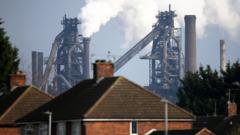
British Steel Nationalization: A Historic Government Intervention
British Steel nationalization marks a significant turning point for the United Kingdom's steel sector. The country's only remaining facility capable of producing virgin steel has been brought into public ownership, concluding an extended period of economic instability and operational uncertainty. This major policy shift reflects the government's commitment to preserving critical industrial infrastructure and protecting thousands of jobs across the sector.
The Context Behind British Steel Nationalization
The decision to implement British Steel nationalization did not occur in isolation. For many years, the facility struggled with mounting financial pressures, supply chain disruptions, and challenges related to the global steel market's volatility. These cumulative difficulties threatened the viability of the plant and raised serious concerns about the long-term sustainability of domestic steel production in Britain.
The nationalization of British Steel represents more than a simple ownership transfer. It demonstrates recognition of steel production's strategic importance to the nation's industrial base. Virgin steel manufacturing capacity serves as a foundation for numerous downstream industries, including construction, automotive production, and infrastructure development.
What Makes Virgin Steel Production Critical
Virgin steel production differs significantly from recycled steel manufacturing. The process creates high-quality steel from raw materials, producing materials with specific properties required for demanding applications. British Steel's facility represents irreplaceable capacity that, once lost, would be exceptionally difficult to rebuild.
The UK's sole remaining virgin steel plant had become increasingly vulnerable to international competition and fluctuating commodity prices. This vulnerability directly threatened Britain's industrial independence and manufacturing capabilities. The government's intervention through British Steel nationalization ensures continuity of production and preservation of specialized expertise.
Employment and Economic Implications
Thousands of workers depend on the facility for employment, with indirect effects touching suppliers, logistics providers, and related industries. British Steel nationalization protects these jobs during a period of transition. The move signals governmental priority for regional economic stability and industrial employment preservation.
The facility operates as a significant employer in its region, supporting local communities through direct wages and indirect economic activity. Maintaining operational continuity through British Steel nationalization prevents the economic devastation that would accompany plant closure.
Strategic Industrial Importance
Steel production capacity carries strategic significance extending beyond purely commercial considerations. Access to reliable domestic steel supplies strengthens supply chain resilience and reduces dependency on imports for critical materials. This strategic autonomy became increasingly important given global trade uncertainties and geopolitical tensions.
The nationalization decision reflects understanding that certain industrial capabilities warrant preservation through government support when market forces alone prove insufficient. Steel manufacturing falls into this category, given its foundational role supporting other industries.
Future Directions for British Steel
Following British Steel nationalization, management faces the challenge of modernizing operations while maintaining financial sustainability. Investment in production efficiency and technological advancement will be essential for competitive positioning within global markets.
The government's acquisition of British Steel provides opportunity for implementing long-term strategic planning without pressure from short-term financial markets. This stability enables management to pursue sustainable profitability rather than pursuing immediate returns.
Environmental considerations will likely feature prominently in the facility's future development. Steel production technology continues advancing toward lower carbon emissions, and British Steel nationalization creates opportunity for implementing greener manufacturing practices.
Conclusion
British Steel nationalization represents a decisive intervention to preserve the UK's virgin steel production capability. This action protects employment, maintains industrial capacity, and secures strategic material supplies. The challenge ahead involves transforming the facility into a sustainably profitable operation while modernizing production methods and reducing environmental impact. Success requires sustained government support, effective management, and strategic investment in both infrastructure and workforce development.


