
UK Heatwave Persists: No Rain Expected for Seven Days
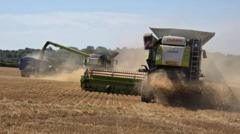
Prolonged Dry Period Extends UK Heatwave Impact
The UK heatwave shows no signs of abating as meteorological forecasts indicate minimal precipitation for the next seven days. This extended period of moisture-free conditions is intensifying what has already become the defining weather narrative of the summer season, with temperatures remaining elevated across most regions.
Throughout the British Isles, the combination of sustained heat and absence of rainfall has created challenging conditions. The UK heatwave continues to dominate weather discussions, overshadowing what many observers consider an equally significant phenomenon: the marked scarcity of precipitation that typically characterizes the United Kingdom's climate patterns.
The Dual Weather Challenge: Heat and Drought Conditions
Beyond simply monitoring high temperatures, meteorological specialists emphasize that the current situation represents a compound weather event. The lack of wet weather compounds concerns among agricultural professionals, water management authorities, and environmental agencies. As Ben Rich, a leading weather analyst, explains, heat has undoubtedly captured headlines throughout the summer months, yet the precipitation deficit deserves equal attention from both the public and policymakers.
The forecast models consistently demonstrate that rain-bearing weather systems remain remarkably distant from UK territory. Atmospheric pressure patterns suggest that stable, anticyclonic conditions will maintain their grip on the region for at least the coming week. This meteorological setup is characteristic of heatwave scenarios where high-pressure systems create a protective dome, effectively deflecting weather fronts that would normally bring moisture and cooler air masses.
Understanding the Rainfall Deficit
The absence of significant wet weather represents a concerning trend that extends beyond mere statistical curiosity. Hydrological experts warn that extended dry spells can precipitate water shortage challenges, particularly in densely populated areas where demand spikes during hot periods. Reservoirs and groundwater levels require consistent replenishment from precipitation, and prolonged deficits can strain water infrastructure systems.
Agricultural stakeholders face particular pressures when the UK heatwave combines with insufficient rainfall. Crop irrigation demands increase dramatically, while soil moisture depletion accelerates. Farmers across the region are implementing enhanced water management protocols to sustain productivity during this challenging period.
Seven-Day Forecast Outlook and Implications
Looking ahead at the immediate forecast horizon, meteorological agencies maintain their assessments that meaningful precipitation remains unlikely throughout the coming seven days. This projection extends current dry conditions that have already established themselves as a notable feature of the summer meteorological record.
The persistent high-pressure system driving the UK heatwave continues to exhibit remarkable stability in its positioning and intensity. Computer models from multiple forecasting centers converge on similar conclusions, suggesting a high degree of confidence in the extended dry period prediction. Atmospheric dynamics indicate that significant weather pattern modifications are improbable before mid-period timeframes.
Heat Records and Summer Weather Patterns
The summer of 2024 has witnessed temperature departures from historical norms that exceed expectations. The UK heatwave has generated numerous headlines regarding record-breaking daily maximums and persistent warm nights that limit overnight cooling. These thermal extremes remain interconnected with the drought-like conditions characterizing the broader meteorological situation.
Weather systems that typically deliver summer precipitation have remained displaced far to the north or positioned over continental Europe, leaving British territories under the influence of warm, stable air masses originating from southern regions. This geographical displacement of weather-generating mechanisms explains why the precipitation deficit has become so pronounced and persistent.
Public Health and Environmental Considerations
Extended periods combining high temperatures with dry conditions present multifaceted challenges beyond simple meteorological interest. Public health authorities emphasize heat-related illness risks, particularly among vulnerable populations. Simultaneously, environmental agencies monitor wildfire potential, vegetation stress, and ecosystem impacts associated with the extended dry period.
The combination of sustained heat and absent rainfall creates compounding effects that influence air quality, pollen distribution, and overall atmospheric composition. Communities and individuals should remain cognizant of these broader environmental implications extending beyond temperature measurements alone.
Conclusion: Monitoring the Evolving Weather Pattern
As the UK heatwave persists through the coming week with no significant rain forecast, both meteorological professionals and the general public should maintain awareness of this dual-component weather challenge. The extended dry period, combined with elevated temperatures, creates circumstances requiring vigilant monitoring and potentially adapted behaviors regarding water consumption and outdoor activities.


