
Two Passengers Critically Injured in Passenger Train Derailment Incident
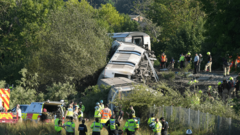
Passenger Train Derailment Leaves Two Critically Injured
A serious passenger train derailment has resulted in critical injuries to two individuals, prompting an immediate emergency response. The incident, which occurred during regular passenger operations, has raised significant concerns about railway safety protocols and operational procedures. Eyewitness accounts from those aboard the passenger train derailment paint a vivid picture of the chaos and fear experienced by travelers in the moments following the accident.
Eyewitness Account of the Harrowing Moments
One passenger who was traveling with his six-year-old daughter provided a chilling description of the experience during the passenger train derailment. "It was pandemonium," he recounted, his voice reflecting the trauma of the event. "I could feel the carriage rocking," he continued, describing the violent motion that accompanied the derailment. The passenger's account highlights the frightening nature of such incidents and the immediate danger faced by everyone aboard when a train leaves its designated track.
The emotional impact on families traveling together was particularly pronounced in this incident. Parents and guardians faced the dual challenge of managing their own fear while attempting to protect their children during the chaotic moments of the passenger train derailment. The presence of young passengers aboard added another layer of complexity to an already dangerous situation.
Emergency Response and Immediate Actions
Following the passenger train derailment, emergency services responded swiftly to the scene. Medical teams worked urgently to assess and treat the injured passengers, with two individuals requiring critical care due to the severity of their injuries. The rapid deployment of first responders helped prevent further complications and ensured that those requiring medical attention received prompt treatment.
The evacuation procedures following the passenger train derailment were executed to remove remaining passengers from the damaged train and transport them to safe locations. Coordination between railway authorities, emergency medical services, and local law enforcement proved essential in managing the aftermath of the incident effectively.
Safety Implications and Investigation
Authorities have launched a comprehensive investigation into the circumstances surrounding the passenger train derailment. Understanding the root cause of the accident is critical for preventing similar incidents in the future. Investigators will examine multiple factors, including track conditions, weather-related issues, mechanical failures, and operational protocols that may have contributed to the passenger train derailment.
The passenger train derailment has renewed discussions about railway safety standards and the importance of regular maintenance and inspections. Railway operators and regulatory bodies continue to review procedures to ensure that passenger safety remains the top priority in all operations.
Impact on Passengers and Services
Beyond the physical injuries sustained during the passenger train derailment, passengers have experienced significant emotional trauma. Many are processing the frightening experience of being involved in such a serious incident. Support services have been made available to affected individuals and families to help them cope with the psychological impact.
The incident has also disrupted railway services, with affected routes experiencing delays and cancellations. Railway authorities are working to restore normal operations while maintaining the highest safety standards to ensure that similar accidents do not occur.
Looking Forward
The passenger train derailment serves as a sobering reminder of the importance of railway safety. As investigations continue and findings emerge, stakeholders in the transportation industry will likely implement additional measures to enhance safety protocols. The well-being of passengers remains paramount, and ongoing efforts to prevent such incidents are essential for maintaining public confidence in rail transportation systems.


