
Trump Threatens Canada With Fresh Tariffs Over Wildfire Smoke Crisis
Trump Threatens Canada With Fresh Tariffs Over Wildfire Smoke Crisis
Trump threatens Canada tariffs as tensions escalate between the two nations over deteriorating air quality caused by transnational wildfire smoke. The escalating dispute highlights growing concerns about environmental pollution affecting American urban centers, with Canadian leader Mark Carney emphasizing that both nations share equal responsibility in addressing the climate crisis.
The Wildfire Smoke Dispute
The controversy centers on smoke from Canadian wildfires drifting into major US cities, creating hazardous air quality conditions. Trump threatens Canada tariffs as a response to what he characterizes as inadequate action to prevent the spread of pollutants across the border. The situation reflects broader tensions in US-Canada relations regarding environmental management and cross-border environmental accountability.
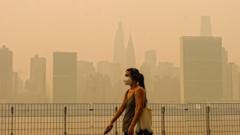
Air quality monitoring stations across numerous American cities have recorded concerning levels of particulate matter, attributed directly to smoke originating from active wildfire zones in Canada. Citizens and local officials have expressed frustration over the persistent haze affecting visibility, respiratory health, and general quality of life in affected communities.
Canada's Climate Change Responsibility
Mark Carney, Canada's prominent political figure, has countered Trump's threats by asserting that combating climate change requires collaborative efforts from both nations. Trump threatens Canada tariffs based on environmental concerns, yet Carney maintains that the United States must equally participate in addressing the underlying climate factors driving increased wildfire severity and frequency.
Climate scientists and environmental experts concur that rising global temperatures are creating ideal conditions for larger and more frequent wildfires across North America. These experts argue that both governments must implement comprehensive climate policies to reduce the frequency and intensity of wildfire events that generate the harmful smoke crossing international borders.
Expert Analysis on Climate and Wildfires
Research indicates that climate change is fundamentally altering wildfire patterns and characteristics. Scientific consensus demonstrates that elevated atmospheric temperatures increase evaporation rates, reduce soil moisture, and extend fire seasons substantially. These conditions create an environment where fires burn more intensely, spread more rapidly, and produce greater volumes of smoke.
Environmental specialists emphasize that wildfire management requires both nations to adopt stronger climate mitigation strategies. Current projections suggest that without significant intervention, wildfire-related smoke pollution will continue to impact cross-border regions during peak fire seasons. The smoke's chemical composition includes nitrogen oxides, particulate matter, and volatile organic compounds, all of which pose significant health risks to exposed populations.
Trade Tensions and Environmental Policy
Trump threatens Canada tariffs as a negotiation tool in broader discussions about environmental responsibility and cross-border pollution. Trade disputes involving tariffs represent a contentious approach to environmental challenges that many experts argue should be addressed through collaborative climate policy development rather than punitive economic measures.
The threat of additional tariffs adds complexity to existing trade relationships between the two countries. While Trump uses tariff threats as leverage, Canadian officials and environmental advocates stress that tariffs alone cannot solve climate-driven environmental crises. Instead, they advocate for integrated approaches combining emissions reduction, forest management improvements, and cross-border environmental monitoring systems.
Public Health Implications
The wildfire smoke crossing into US territories has triggered health warnings from medical professionals. Vulnerable populations including children, elderly individuals, and those with respiratory conditions face elevated risks from prolonged exposure to poor air quality. Public health departments have issued guidance recommending reduced outdoor activities and increased use of air filtration devices during periods of heavy smoke infiltration.
Hospitals and clinics have documented increased visits related to respiratory complaints coinciding with periods of heavy smoke presence. Medical professionals emphasize that these health consequences underscore the urgency of addressing underlying climate factors contributing to catastrophic wildfire events.
Looking Forward
The dispute between Trump and Canada regarding wildfire smoke and tariff threats reflects deeper disagreements about environmental responsibility and climate action. Moving forward, both nations face pressure to implement solutions addressing climate change while managing immediate cross-border air quality crises. Whether through diplomatic negotiation or economic measures, addressing the root causes of escalating wildfire severity remains essential for protecting public health and environmental quality on both sides of the international border.


