
Trump Switches Aircraft in Iran Tensions: What the Unscheduled Swap Reveals
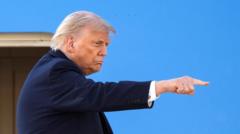
Trump's Sudden Shift in Aircraft Amid Rising Iran Conflict
The unexpected decision by Donald Trump to change aircraft during a critical period of Iran tensions underscores the intensifying personal stakes involved in military escalations. This dramatic move, captured by international observers, reflects deeper anxieties about security protocols and the administration's response to Middle Eastern hostilities.
Such occurrences have become emblematic of the unpredictable dynamics characterizing Trump's tenure when addressing Iranian affairs. The aircraft switch represents more than a logistical adjustment; it exemplifies the heightened alert status within presidential security operations during moments of international friction.
Historical Context of Trump-Iran Relations
The relationship between Trump and Iran has consistently featured moments of significant tension and reversal. Since his administration took office, policy decisions regarding Iranian nuclear matters, sanctions implementation, and military positioning have generated substantial international debate. Each development has contributed to an increasingly complicated diplomatic landscape.
Prior administrations had pursued different strategies toward Tehran. Trump's approach distinguished itself through more confrontational rhetoric and decisive economic measures. These decisions created an environment where military contingencies required constant reassessment and adjustment of operational protocols.
Understanding Security Protocols During Crises
Presidential security procedures undergo substantial modification when geopolitical threats escalate. The aircraft substitution observed during Trump's recent movements demonstrates how comprehensive these protective measures become. Intelligence agencies continuously evaluate flight routes, vessel capabilities, and alternative transportation arrangements.
When tensions rise with adversaries possessing significant military capabilities, standard operating procedures expand considerably. Personnel responsible for executive protection must consider numerous variables including satellite surveillance capabilities, missile deployment patterns, and potential interception scenarios. These considerations directly influence decisions about transportation methods and scheduling.
The Personal Dimension of International Conflict
Beyond diplomatic negotiations and military strategies, international crises carry profound personal implications for decision-makers. Trump's aircraft switch illustrates how abstract geopolitical tensions manifest in tangible security adjustments affecting daily operations.
Leaders navigating complex international disputes experience heightened vulnerability. The pressure extends beyond political considerations to encompass genuine safety concerns. When confrontations with nations possessing advanced weaponry intensify, those responsible for national security must implement increasingly comprehensive protective measures.
Broader Implications for U.S.-Iran Dynamics
The incident reflects the broader pattern of escalating tensions characterizing Trump's approach to Iranian affairs. Military posturing, economic sanctions, and strategic positioning have created an environment where crisis management remains constant. Each decision reverberates across diplomatic channels, military installations, and international markets.
Observers analyzing these developments note the cyclical nature of Trump-Iran interactions. Periods of temporary de-escalation frequently give way to renewed confrontation. This unpredictability complicates planning for all involved parties, from government officials to military commanders responsible for operational readiness.
Media Coverage and Public Perception
International news organizations have extensively documented Trump's movements and security adjustments during heightened Iran tensions. These reports contribute to public understanding of crisis severity, though observers often interpret identical events differently based on political perspective.
The aircraft switch captured media attention precisely because such modifications typically remain invisible to public scrutiny. When transportation adjustments become visible to journalists and photographers, they signal substantive shifts in threat assessment by security professionals.
Looking Forward: Implications and Questions
The dramatic nature of Trump's aircraft change raises questions about future developments in U.S.-Iran relations. Will diplomatic channels remain open despite military posturing? How will continuing tensions affect regional stability and global energy markets? These uncertainties shape policy discussions within government circles and international forums.
Trump's relationship with Iran continues defining significant aspects of his foreign policy legacy. The aircraft swap represents just one visible manifestation of deeper complexities characterizing engagement with Tehran. As situations evolve, security protocols will almost certainly require continued adjustment and reassessment by responsible authorities.


