
Trump Implements 15% Tariff on Critical Semiconductor Materials Against China
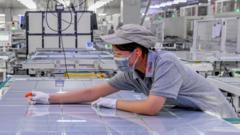
Trump's Strategic 15% Tariff on Semiconductor Materials
The Trump administration has unveiled a significant trade policy measure, implementing a 15% tariff on semiconductor materials as part of its broader strategy to counter China's growing influence in the global chip market. This Trump 15% tariff on semiconductor materials decision represents a pivotal moment for American technology manufacturers seeking to maintain their competitive edge in an increasingly challenging international landscape.
Protecting American Chip Manufacturers
The primary objective behind this tariff implementation centers on shielding US chip industry players from mounting pressure exerted by China's rapidly expanding semiconductor sector. American manufacturers have faced unprecedented competitive challenges as Chinese companies continue to invest heavily in research, development, and production capabilities. By imposing the 15% tariff on critical semiconductor materials, the administration aims to level the playing field and ensure that domestic producers can compete more effectively without bearing excessive cost burdens from foreign supply chains.
Impact on US Semiconductor Production
The tariff structure directly affects the cost structure of American semiconductor manufacturers by increasing the price of essential materials required for chip production. However, proponents argue that this temporary cost increase will ultimately benefit the sector by encouraging greater investment in domestic production facilities and research initiatives. Companies may accelerate plans to relocate supply chain operations back to American soil, thereby creating skilled manufacturing jobs and reducing dependence on overseas suppliers vulnerable to geopolitical disruptions.
China's Competitive Challenge in the Chip Industry
China's semiconductor industry has experienced remarkable growth over the past decade, with state-backed initiatives and substantial government support enabling rapid technological advancement. The nation has become a formidable competitor in both chip design and manufacturing, threatening America's traditional dominance in this critical technology sector. The Trump administration views this competitive pressure as a national security concern, particularly given semiconductors' essential role in military applications, artificial intelligence development, and consumer electronics manufacturing.
Geopolitical Dimensions of Trade Policy
Beyond economic considerations, the tariff decision reflects broader geopolitical tensions between the United States and China. Semiconductors represent one of the most strategically important technology sectors, with implications extending to national defense, economic security, and technological leadership. The tariff serves as a policy tool intended to discourage Chinese market expansion while simultaneously encouraging American companies to strengthen domestic capabilities and reduce technological vulnerabilities.
Industry Response and Market Implications
The semiconductor industry has reacted with mixed sentiment to the tariff announcement. While some American manufacturers welcome the protectionist measures as necessary shields against unfair competition, others express concerns about potential retaliatory measures from China and the possibility of increased production costs being passed to consumers. Equipment suppliers and materials manufacturers must navigate the complex new tariff landscape while adjusting their supply chain strategies and pricing models accordingly.
Long-term Strategic Goals
The Trump administration positions this tariff as a stepping stone toward broader technological independence and supply chain resilience. By making imported semiconductor materials more expensive, the policy creates financial incentives for companies to develop alternative sourcing arrangements domestically or within allied nations. This approach aligns with the administration's emphasis on near-shoring and friend-shoring strategies, which prioritize sourcing from countries with shared values and strategic interests.
Conclusion
The implementation of a 15% tariff on semiconductor materials represents a decisive intervention in the ongoing technological competition between the United States and China. While the Trump 15% tariff on semiconductor materials aims to provide immediate protection for domestic manufacturers, its long-term success will depend on whether it catalyzes genuine innovation and production growth within the American chip industry. The decision underscores the critical importance policymakers now assign to semiconductor supply chain security and technological sovereignty in an increasingly competitive global environment.


