
Trump Eyes AI Controls Following OpenAI Security Breaches
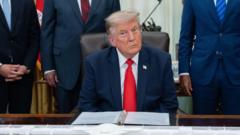
Trump Administration Shifts Stance on Artificial Intelligence Oversight
The Trump administration is actively reconsidering its approach toward AI controls following recent security incidents affecting OpenAI. This represents a significant departure from the administration's previously established preference for minimal regulatory intervention in the technology sector.
Understanding the Policy Change
Previously, the administration has maintained a decidedly hands-off posture regarding artificial intelligence development and deployment. However, the mounting concerns surrounding cybersecurity vulnerabilities at major AI companies have prompted officials to evaluate more structured regulatory frameworks. The recent hacking incidents at OpenAI have served as a catalyst for this reevaluation of existing AI oversight mechanisms.
Security Incidents Driving Policy Discussion
The security breaches targeting OpenAI have exposed critical vulnerabilities in how leading artificial intelligence firms protect sensitive data and computational infrastructure. These incidents have raised substantial questions about whether current industry self-regulation standards are sufficient to protect national security interests and consumer data privacy. Administration officials are now examining whether enhanced AI controls could mitigate similar risks across the broader technology landscape.
Implications for the Technology Sector
Should the administration proceed with implementing AI controls, the implications for technology companies could be extensive. Potential regulatory measures under consideration may include mandatory security audits, standardized data protection protocols, and reporting requirements for cybersecurity incidents. These proposed AI controls would represent the first comprehensive federal oversight framework for artificial intelligence operations within the United States.
Industry Response and Expectations
Technology companies and industry stakeholders are monitoring the administration's deliberations closely. While some view enhanced AI controls as necessary safeguards against emerging threats, others worry that excessive regulation could hinder innovation and competitiveness in artificial intelligence development. The balance between security and innovation remains a central tension in ongoing policy discussions.
What This Means Going Forward
The administration's reconsideration of AI controls marks a watershed moment in how the federal government approaches technology regulation. If formalized, these measures could establish precedents for how other sectors handle emerging technologies. The experience with OpenAI's security challenges demonstrates that rapid technological advancement sometimes outpaces existing protective infrastructure, necessitating adaptive policy responses.
As discussions continue within government circles, stakeholders across the artificial intelligence industry and cybersecurity communities await clarification on specific AI controls the administration intends to pursue. The outcome of these deliberations will likely influence how companies approach security investments and data protection strategies going forward.


