
Trump Criticizes Media at Annual White House Press Gathering
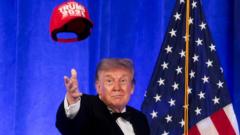
Trump Delivers Pointed Remarks at Press Freedom Celebration
Former President Donald Trump launched a series of critical comments directed at members of the media during the White House Correspondents' Dinner, continuing his well-documented contentious relationship with the press. The high-profile event marked an important moment in the annual White House Correspondents' Dinner tradition, serving as a platform for the prominent political figure to address journalists and news organizations directly.
The White House Correspondents' Dinner represents one of the most anticipated gatherings in Washington, D.C., where political leaders and media representatives converge to discuss the state of journalism and government transparency. This particular occasion held added significance as it followed the cancellation of the previous year's event due to a shooting incident that occurred in April, making the return to this cherished tradition particularly meaningful for attendees.
Significance of Press Freedom in American Democracy
The restoration of the White House Correspondents' Dinner underscores the enduring commitment to press freedom and the First Amendment in American society. Throughout history, this annual event has served as a venue where the relationship between political leaders and journalists is examined, celebrated, and sometimes challenged. The gathering brings together representatives from major news outlets, independent journalists, and broadcasting networks who cover Washington politics extensively.
Press freedom remains a cornerstone of democratic governance, allowing citizens to stay informed about governmental actions and policy decisions. The White House Correspondents' Dinner, despite its sometimes contentious atmosphere, represents a recognition of journalism's vital role in holding power accountable and providing the public with accurate information about matters of national importance.
Trump's Ongoing Tension with Media Organizations
The former president's comments during the White House Correspondents' Dinner reflect a broader pattern of criticism directed toward mainstream media outlets throughout his political career. Trump has consistently characterized certain news organizations as spreading misinformation and promoting biased reporting, allegations that media representatives have repeatedly disputed. This adversarial dynamic has become a defining feature of contemporary political discourse.
His remarks at the dinner demonstrated his willingness to engage directly with the press, albeit through critical commentary rather than collaborative dialogue. Trump's approach to media relations has proven controversial, with supporters praising his directness and detractors arguing that his rhetoric delegitimizes important journalistic institutions. The tension between political leadership and press organizations continues to shape conversations about media ethics and accountability.
The Evolution of the White House Correspondents' Dinner
Established decades ago, the White House Correspondents' Dinner has evolved from a simple gathering into a major social and political event. The dinner traditionally features speeches, comedic performances, and remarks from sitting or former presidents. While some attendees view the event as an opportunity for lighter fare and social interaction, others recognize it as a venue where serious discussions about press freedom and governmental transparency occur.
The cancellation of the previous year's event due to the shooting incident prompted reflection within media and political circles about security, safety, and the importance of maintaining traditions that foster dialogue between institutions. The successful return of the White House Correspondents' Dinner demonstrated resilience and determination to preserve this established tradition despite external challenges and concerns.
Implications for Media-Government Relations
Trump's critical statements during the White House Correspondents' Dinner carry significance beyond the immediate moment, reflecting broader questions about how political leaders and journalists should interact. The exchange between political figures and media representatives at such high-profile events influences public perception of both institutions and shapes ongoing debates about credibility, bias, and objectivity in news reporting.
As the media landscape continues to evolve with digital platforms and changing consumption habits, the role of formal gatherings like the White House Correspondents' Dinner in maintaining professional relationships becomes increasingly important. These events provide opportunities for face-to-face engagement that can help bridge divides and foster mutual understanding, even when disagreements persist.
The return of the White House Correspondents' Dinner and Trump's participation in the event demonstrate that despite significant tensions between political leadership and media institutions, formal channels of communication and engagement remain essential in democratic society. Future dinners will likely continue to serve as venues where these complex relationships are negotiated and expressed.


