
Trump Calls Off Iran Strikes Pending Swift Nuclear Negotiations Deal
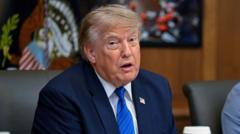
Trump Postpones Iran Military Action Amid Active Negotiations
In a significant diplomatic development, Trump Iran strikes have been suspended as the United States pursues an accelerated negotiation process with Tehran. The decision reflects mounting pressure from regional allies and a shift toward diplomatic channels rather than military intervention in the Middle East conflict.
The US President announced that military operations against Iran would be placed on hold pending the rapid conclusion of a comprehensive agreement. According to Trump's statement, both Iran and several Middle Eastern nations have formally requested that Washington refrain from launching any immediate attacks, citing progress already made on fundamental agreement parameters.
Diplomatic Framework Takes Shape
According to the President, key negotiating partners have confirmed that essential "perimeters" of a potential deal framework have already been established. This indicates that preliminary discussions have produced sufficient common ground to justify postponing military action and focusing resources on finalizing comprehensive terms.
The suspension of strikes represents a notable shift in US approach to the Iranian situation. Rather than proceeding with military options that had been previously considered, the administration is now betting on the possibility of reaching a binding agreement through intensive diplomatic efforts. Regional powers have apparently convinced Washington that this window of opportunity could yield faster results than military engagement.
Regional Players Advocate for Peaceful Resolution
Multiple Middle Eastern countries have actively participated in urging restraint from military action. These nations, which maintain critical strategic interests in regional stability, have emphasized that the current momentum in negotiations should not be disrupted. Their collective position suggests that diplomatic channels are producing substantive progress on core issues.
The involvement of regional actors in this negotiation process underscores the complexity of Middle East diplomacy. Countries with direct stakes in Iran policy and regional security have clearly indicated their preference for resolving tensions through structured talks rather than military confrontation.
Conditions for Agreement Acceleration
The Trump administration has made clear that the suspension of military action remains conditional upon rapid progress in negotiations. The President emphasized that any deal framework must be finalized swiftly, suggesting that the pause on military operations has a defined time window.
This conditional approach reflects both optimism about diplomatic possibilities and acknowledgment of the serious military options that remain available. By holding military action "in reserve" while pursuing aggressive negotiation timelines, the US administration maintains leverage while demonstrating willingness to pursue non-military solutions.
Strategic Implications for US Foreign Policy
The decision to halt Trump Iran strikes pending deal completion signals a recalibration of US Middle East strategy. Rather than pursuing unilateral military actions, the administration is banking on multilateral diplomatic engagement combined with the implicit threat of military capability.
This approach reflects lessons learned from previous military interventions in the region, where sustained diplomatic efforts combined with credible military deterrence have sometimes produced more stable outcomes than military action alone. The temporary suspension of strikes allows negotiators to work toward permanent resolution frameworks.
Timeline and Expectations
While specific deadlines were not publicly announced, Trump's emphasis on agreements being reached "rapidly" suggests that negotiations will proceed on an accelerated schedule. This compressed timeline puts pressure on all parties to move past preliminary discussions and toward final agreements on substantive issues.
The suspension of military operations, therefore, functions both as a confidence-building measure for negotiating partners and as a strategic tool to demonstrate US commitment to pursuing diplomatic solutions when genuine progress appears achievable.
Future Prospects
The coming weeks will prove critical in determining whether the current diplomatic momentum can produce tangible results. If negotiations yield a comprehensive agreement acceptable to the Trump administration and Iran, military strikes may be permanently averted. Conversely, if talks stall or fail to meet US objectives, military options remain on the table.
For now, the suspension of Trump Iran strikes represents a significant pause in escalation dynamics and an opportunity for intensive diplomatic engagement. Whether this pause becomes the foundation for lasting peace or merely a temporary respite in ongoing tensions remains to be determined by the speed and substance of ongoing negotiations between the parties involved.


