
Surgeons Control Human-Like Robots Remotely During Live Operations
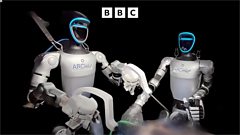
Groundbreaking Achievement in Robotic Surgery
In a landmark demonstration of technological innovation, robotic surgery has reached new heights as skilled surgeons successfully operated two advanced humanoid robots from a remote location within a hospital operating theatre. This impressive feat represents a significant milestone in the evolution of minimally invasive surgical techniques and highlights the potential of robotic surgery to revolutionize healthcare delivery across the globe.
How the Remote Surgery System Works
The procedure showcased the capabilities of state-of-the-art remote-controlled surgical robots equipped with precision instruments and real-time feedback mechanisms. These sophisticated machines enabled surgeons to perform delicate operations with exceptional accuracy, despite being physically separated from the patients. The seamless communication between the surgical team and the robotic systems demonstrated that distance is no longer a barrier to delivering expert surgical care.
Technical Specifications and Features
The humanoid robots in medicine utilized in this groundbreaking procedure were designed with ergonomic precision to replicate human surgical movements. Each robot featured multiple articulated arms, high-definition cameras, and sensory feedback systems that allowed surgeons to feel and respond to tissue resistance and other tactile sensations. This level of responsiveness is crucial for performing complex surgical maneuvers safely and effectively.
Impact on Medical Practice
This successful demonstration of advanced surgical technology opens unprecedented possibilities for surgical interventions. Patients in remote or underserved regions could potentially access world-class surgical expertise without requiring travel to major medical centers. The ability to conduct telemedicine surgery means that specialized surgical knowledge can be deployed wherever needed, potentially saving countless lives.
Training and Education Benefits
Beyond immediate patient care, robotic surgery systems offer remarkable advantages for medical education. Surgeons can now conduct live surgical demonstrations and training sessions with greater precision and accessibility. Medical students and resident physicians can observe and learn from master surgeons in real-time, regardless of geographical constraints. This democratization of surgical knowledge promises to elevate the standard of care globally.
Safety and Precision Advantages
The implementation of remote-controlled surgical robots brings measurable improvements in surgical outcomes. Tremor elimination, enhanced visualization through magnified views, and increased range of motion allow surgeons to execute procedures with extraordinary precision. These capabilities reduce complications, minimize tissue trauma, and accelerate patient recovery times, ultimately lowering healthcare costs while improving quality of life for surgical patients.
Quality Assurance Mechanisms
The systems employ multiple redundancy protocols and fail-safe mechanisms to ensure patient safety throughout remote surgical procedures. Real-time monitoring systems track all vital parameters while artificial intelligence assists in detecting anomalies. Should any technical issues arise, automated protocols ensure immediate safety measures are implemented.
Future Implications for Healthcare
As advanced surgical technology continues to evolve, the scope of telemedicine surgery will expand considerably. Anticipated developments include enhanced artificial intelligence integration, improved haptic feedback systems, and greater autonomy in specific surgical tasks. These advancements will enable surgeons to work more efficiently while maintaining absolute control over critical decisions.
Global Access Considerations
The widespread adoption of robotic surgery systems could address critical healthcare disparities worldwide. Rural hospitals and developing nations could establish partnerships with leading medical institutions, enabling access to specialized surgical expertise. This technological bridge has the potential to transform healthcare equity on a global scale.
Regulatory and Clinical Standards
The successful operation of humanoid robots in medicine must comply with rigorous regulatory requirements and clinical standards. Medical authorities worldwide are developing comprehensive guidelines to ensure safety, efficacy, and ethical implementation of remote surgical technologies. These standards protect patients while allowing for responsible innovation in surgical practice.
The remarkable achievement of surgeons controlling robotic surgery systems remotely marks a watershed moment in medical technology. As these systems become more refined and accessible, they promise to reshape surgical practice fundamentally, delivering superior outcomes and expanding medical capabilities beyond traditional boundaries.


