
Summer Dress Codes at Work: What Can Your Employer Actually Control?
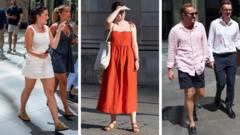
Understanding Summer Dress Code Policies in the Workplace
As temperatures rise and summer approaches, questions about summer dress code at work become increasingly common in offices across different industries. Many employees wonder whether their employers have the legal authority to dictate what they wear during the warmest months of the year. The reality is more nuanced than a simple yes or no answer, as the boundaries between employer authority and employee rights continue to evolve in modern workplaces.
What Legal Authority Do Employers Actually Have?
Most employers do possess the right to establish dress codes within their organizations, including specific requirements for summer dress code at work. However, this authority is not unlimited. Labor laws in various jurisdictions place restrictions on how strictly employers can enforce clothing requirements. The key principle is that dress codes must not discriminate based on protected characteristics such as race, gender, religion, disability, or age. Additionally, dress codes cannot be so restrictive that they create unsafe working conditions or impose undue financial burdens on employees.
In the United States, federal and state labor laws provide the framework for these regulations. The Equal Employment Opportunity Commission monitors dress codes to ensure they don't violate anti-discrimination statutes. Some states have gone further, establishing additional protections for employees regarding their clothing choices, particularly regarding safety and health considerations.
Common Summer Dress Code Scenarios
Professional Office Environments
Traditional corporate settings often maintain formal or business casual dress codes even during summer months. These environments may allow slightly more relaxed attire than winter standards, such as short-sleeved blouses, lightweight fabrics, or open-toed shoes. However, shorts, tank tops, and athletic wear typically remain prohibited in professional office settings, as they are considered inconsistent with business standards.
Creative and Casual Industries
Tech companies, startups, and creative agencies frequently maintain more flexible approaches to summer dress code at work. These organizations often permit casual clothing year-round, recognizing that attire does not impact employee performance or professional capability. In such environments, sandals, casual shorts, and lightweight t-shirts may be entirely acceptable.
Customer-Facing Positions
Retail, hospitality, and service industries often have stricter requirements because employees interact directly with customers. Employers in these sectors argue that maintaining a certain appearance is essential for brand image and customer expectations. However, even in these cases, employers must balance professionalism with practicality and employee comfort.
The Employee Perspective: Your Rights and Options
Employees have several avenues to address concerns about summer dress code at work policies they believe are unreasonable or unfair. Understanding these options empowers workers to advocate for themselves effectively.
First, review your employee handbook or written dress code policy carefully. Most organizations provide clear guidelines about what is and isn't acceptable. If the policy seems vague or overly restrictive, request clarification from your Human Resources department. Written documentation of such requests can be valuable if disputes arise later.
Second, consider discussing the issue with your direct manager or HR representative. Many conflicts stem from misunderstandings rather than deliberate policy violations. A respectful conversation about comfort, practicality, and professional standards might lead to reasonable accommodations or policy adjustments.
Balancing Professionalism with Comfort
Finding the sweet spot between maintaining professional standards and staying comfortable during summer requires strategic wardrobe choices. Lightweight fabrics like linen, cotton blends, and moisture-wicking materials help regulate body temperature without sacrificing professionalism. Breathable dress pants, midi skirts, and short-sleeved blouses offer professional appearances while accommodating hot weather.
Color choices also play a role in summer comfort. Lighter colors reflect heat better than dark colors, making pale blues, whites, beiges, and soft grays excellent choices for warm months. These neutral tones also maintain professional aesthetics across most workplace environments.
Special Considerations and Exceptions
Certain circumstances may justify deviations from standard summer dress code at work policies. Employees with medical conditions affecting temperature regulation may qualify for accommodations under disability laws. Religious dress requirements also receive legal protection in most jurisdictions, requiring employers to make reasonable accommodations unless they create undue hardship.
Some employees work in environments where casual dress would create safety hazards. Construction workers, healthcare professionals, and laboratory technicians must follow industry-specific safety standards that supersede general dress code preferences.
What If You Disagree With Your Employer's Policy?
If you believe your employer's summer dress code at work policy is unreasonable, discriminatory, or creates health hazards, you have options. Document any incidents where the policy was enforced, including dates, times, and circumstances. If you believe discrimination occurred, file a complaint with the appropriate government agency, such as the EEOC in the United States.
Consider joining or forming employee groups to collectively discuss workplace policies. Employers often respond more seriously to organized feedback than individual complaints. Additionally, consulting with an employment lawyer can help you understand your specific legal protections and options.
Conclusion: Moving Forward
The question of whether your boss can dictate your summer dress code doesn't have a universal answer. While employers generally possess the authority to establish dress codes, including summer dress code at work standards, this authority remains constrained by legal protections and ethical considerations. The most successful workplaces are those where employers recognize that reasonable flexibility during summer months benefits employee morale, productivity, and retention, while employees respect the legitimate need to maintain professional standards. Finding this balance requires open communication, mutual respect, and willingness to compromise from both parties.


