
Singapore Airlines Launches Historic 20+ Hour London-Sydney Direct Flight Route
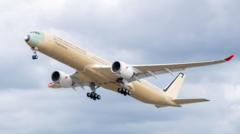
Singapore Airlines Pioneers Revolutionary Ultra-Long-Haul Service
The aviation industry is witnessing a transformative moment as Singapore Airlines prepares to operate what many consider a groundbreaking 20-plus hour flight connecting London with Sydney. This ambitious venture marks a significant turning point in commercial aviation, pushing the boundaries of what passengers and aircraft manufacturers once considered the limits of non-stop air travel. The airline's decision to establish this ultra-long-haul service reflects evolving passenger demand and technological advances in modern aircraft engineering.
Breaking Records in Aviation History
Singapore Airlines' introduction of the 20+ hour flight represents more than just a route expansion—it symbolizes a major milestone in the evolution of commercial aviation. Industry analysts emphasize that this service addresses the growing preference among international travelers for direct connections, eliminating the traditional inconvenience of layovers and flight transfers. The direct routing between London and Sydney eliminates hours of additional ground time, connecting two major global business and tourism hubs with unprecedented efficiency. This development underscores how airlines are leveraging modern aircraft technology to meet changing passenger expectations.
Expert Analysis and Industry Response
Leading aviation analysts acknowledge this 20+ hour flight venture as a pivotal development in the airline industry's evolution. Industry observers note that the feasibility of such extended flights depends heavily on aircraft capabilities, crew rest protocols, and passenger comfort measures. Singapore Airlines' Airbus A350-900ULR aircraft features specially configured cabins designed specifically for these marathon journeys, incorporating enhanced cabin pressure systems and innovative seating arrangements. Experts suggest this venture could reshape how airlines plan future networks across intercontinental routes, potentially inspiring competitors to develop similar ultra-long-haul services.
Passenger Considerations and Comfort Factors
The prospect of enduring a 20+ hour flight raises important questions about passenger comfort and well-being during extended air travel. Airlines must address physical health concerns associated with such lengthy flights, including deep vein thrombosis risks, dehydration, and fatigue. Singapore Airlines has invested significantly in cabin amenities designed to mitigate these challenges, featuring lie-flat business class seats, advanced entertainment systems, and enhanced cabin humidity controls. The airline's approach recognizes that modern travelers expect premium comfort standards even on the most demanding routes, making the 20+ hour flight experience fundamentally different from traditional long-haul offerings.
Technological Requirements for Extended Routes
Operating a 20+ hour flight demands cutting-edge aircraft technology and comprehensive operational planning. The Airbus A350-900ULR variant represents the current pinnacle of ultra-long-haul capability, engineered specifically for routes that conventional wide-body aircraft cannot sustainably operate. This aircraft features advanced fuel efficiency systems, lighter composite materials, and more powerful engines compared to previous generations. The technological infrastructure supporting this 20+ hour flight extends beyond the aircraft itself, including sophisticated weather monitoring systems, real-time crew fatigue management protocols, and refined navigation systems that optimize flight paths for safety and efficiency.
Market Demand and Business Strategy
Singapore Airlines' confidence in launching the 20+ hour flight service reflects careful market analysis and strategic positioning. The London-Sydney route connects two premium travel markets with substantial demand for business and leisure connectivity. By offering a non-stop service for this 20+ hour flight, the airline captures premium-paying passengers willing to pay significant fares for direct access between these major cities. Analysts suggest this strategy could generate strong revenue streams despite the operational complexities and costs associated with maintaining ultra-long-haul services. The airline's business model depends on filling aircraft with sufficient premium passengers to justify the resources required for this extended service.
Industry Evolution and Future Implications
This 20+ hour flight initiative signals broader trends within commercial aviation regarding route expansion and service innovation. Industry observers predict that success with this London-Sydney service could encourage other airlines to explore similar ultra-long-haul opportunities, potentially connecting other major city pairs previously limited by aircraft range and feasibility constraints. The development of specialized aircraft variants and improved operational procedures may eventually normalize routes previously considered unrealistic or economically unviable. As technology continues advancing and passenger preferences evolve, the 20+ hour flight category may expand, fundamentally reshaping global air transportation networks and reducing connection requirements for international travelers.
Passenger Decision-Making and Ticket Value
Ultimately, the success of Singapore Airlines' 20+ hour flight depends on whether sufficient passengers will purchase tickets for this ultra-long-haul service. While analysts recognize the historical significance of this milestone, actual consumer adoption remains uncertain. Business travelers seeking efficiency and premium passengers prioritizing direct connections represent the primary target market. Economy passengers, conversely, may hesitate about the endurance challenge posed by a 20+ hour flight, potentially seeking cheaper alternatives with connections despite longer total journey times. The airline's pricing strategy and value proposition must justify the premium costs associated with operating this demanding route.


