
Shipping Fleet Reverses Course Amid Houthi Threats in Red Sea
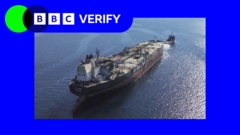
Tanker Fleet Alters Course Following Houthi Shipping Threat
A significant number of commercial vessels have abruptly reversed their navigation paths in response to escalating Houthi shipping threat concerns affecting major maritime corridors. According to comprehensive ship-tracking data, multiple tankers destined for or departing from Saudi Arabian ports have dramatically altered their routes to avoid potential risks in contested waters.
Strategic Route Modifications in Action
The Houthi shipping threat has prompted immediate operational changes across the maritime industry. Vessel-tracking systems reveal that ships previously committed to direct trajectories toward Saudi ports have initiated substantial course corrections. These navigation adjustments represent a significant departure from established commercial shipping lanes that have traditionally connected key Middle Eastern trade hubs with international markets.
Impact on Saudi Port Operations
The diversion of tankers away from their intended Saudi port destinations reflects growing concerns about maritime safety in the region. Ships that were previously scheduled to deliver cargo or conduct operations at Saudi facilities have been rerouted to alternative pathways. This fundamental shift in shipping patterns demonstrates the tangible impact that Houthi shipping threat concerns are having on global maritime commerce.
Real-Time Ship-Tracking Data Reveals Pattern
Modern ship-tracking technology has provided unprecedented visibility into these operational changes. Data collected from maritime monitoring systems shows clear evidence of course alterations among vessels engaged in tanker operations. The tracking information confirms that the ships affected were indeed traveling toward or originating from Saudi ports before their abrupt directional changes, creating a documented pattern of avoidance behavior.
Broader Maritime Security Implications
The Houthi shipping threat represents a complex challenge for international maritime security and commerce. The voluntary rerouting of tankers away from established shipping corridors underscores genuine concerns about potential maritime incidents. These operational decisions by shipping companies reflect a precautionary approach designed to protect valuable cargo, vessel infrastructure, and crew safety.
Industry Response to Escalating Concerns
Shipping operators have demonstrated rapid adaptation to the emerging security challenges posed by the Houthi shipping threat. Rather than maintaining traditional routes, companies have invested significant resources in identifying and implementing alternative pathways. This responsiveness indicates the seriousness with which maritime operators are viewing the current situation and their commitment to mitigating potential risks.
The cumulative effect of these individual tanker route modifications creates broader implications for regional commerce and global energy markets. When multiple vessels simultaneously alter their navigation patterns, the resulting disruptions can affect shipping timelines, operational costs, and overall supply chain efficiency. The Houthi shipping threat has therefore become a critical consideration in maritime logistics planning.
Future Outlook for Red Sea Shipping
As the situation continues to develop, maritime industry stakeholders remain focused on monitoring vessel movements and assessing security conditions. The pattern of tankers executing sharp U-turns demonstrates that commercial operators are actively responding to real or perceived threats in contested maritime zones. Ship-tracking data will likely continue to provide valuable insights into how the industry adapts to this evolving challenge regarding the Houthi shipping threat and regional maritime security.


