
Rotterdam Port Faces Growing Pressure to Accelerate Its Green Energy Transition
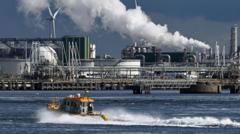
Growing Environmental Demands Shape Port of Rotterdam's Future
The Port of Rotterdam, Europe's most significant maritime gateway, is encountering unprecedented pressure to expedite its green energy transition and substantially decrease its reliance on fossil fuel operations. A significant legal action has been initiated by environmental organizations seeking to compel the port authority to adopt more aggressive timelines for eliminating dependency on conventional energy sources and carbon-intensive activities.
Legal Challenge Forces Sustainability Action
Environmental advocates have launched a formal lawsuit targeting the Port of Rotterdam's current environmental policies, arguing that the institution's progress toward decarbonization remains insufficient given the scale of the climate crisis. The legal proceedings represent a watershed moment in holding Europe's major infrastructure operators accountable for their environmental commitments and operational practices.
The Core Issues at Stake
The lawsuit centers on several key environmental concerns. Environmental groups contend that the Port of Rotterdam maintains excessive operational connections with petroleum, natural gas, and coal industries. These continued partnerships contradict the port's stated sustainability objectives and European Union climate neutrality targets established for 2050. The plaintiffs argue that the current pace of transition falls dramatically short of what scientific evidence and climate agreements demand.
Port Authority's Current Position
The Port of Rotterdam administers one of the world's busiest shipping terminals, handling massive volumes of cargo annually while supporting vital international trade routes. The port authority has previously outlined strategic initiatives aimed at environmental improvement, including renewable energy installations, efficiency upgrades, and cleaner shipping incentives. However, environmental organizations maintain these measures represent incremental adjustments rather than the transformative change necessary to address climate imperatives.
European Context and Competitive Pressures
The Port of Rotterdam operates within an increasingly stringent regulatory environment. European Union legislation has established ambitious emissions reduction targets, while competing ports worldwide are pursuing aggressive sustainability strategies. This competitive landscape combined with legal pressure creates compelling motivations for the port to accelerate its green transition initiatives.
Global Shipping Industry Transformation
The maritime sector globally faces mounting pressure to reduce carbon emissions. International shipping organizations have established decarbonization targets, with many major ports investing substantially in renewable energy infrastructure, electrified cargo handling equipment, and sustainable fuel technologies. The Port of Rotterdam, despite its prominence, risks falling behind in this international transition toward greener shipping practices.
Environmental and Economic Implications
This legal challenge carries significant implications extending beyond the Port of Rotterdam itself. A successful lawsuit could establish precedent, encouraging similar legal actions against other major European infrastructure operators. Conversely, meaningful environmental reforms could position the port as an industry leader in sustainable maritime operations, potentially attracting environmentally conscious shipping companies and reinforcing its competitive advantages.
Stakeholder Perspectives
Multiple stakeholders maintain distinct interests in this dispute. Environmental organizations emphasize urgent climate action imperatives and public health benefits from reduced air pollution around port operations. Port operations representatives highlight economic considerations, including substantial investment requirements and potential disruptions to existing business relationships. Shipping companies express varied perspectives depending on their existing sustainability commitments and operational strategies.
Future Outlook and Potential Resolutions
The Port of Rotterdam confronts critical decisions regarding its environmental trajectory. The organization may respond by implementing accelerated decarbonization programs, strengthening commitments to renewable energy adoption, and establishing firmer timelines for phasing out fossil fuel dependencies. Such proactive measures could address legal challenges while positioning the port advantageously within evolving European environmental regulations.
Innovation and Technology Solutions
Emerging technologies offer pathways for reducing the Port of Rotterdam's environmental footprint. Shore power systems enabling vessels to connect to electrical grids while docked, hydrogen fuel infrastructure, advanced energy storage solutions, and renewable power generation installations represent viable alternatives to traditional fossil fuel dependence. Investing in these technologies could demonstrate genuine commitment to sustainable operations while maintaining operational efficiency.
Conclusion: A Critical Juncture
The lawsuit demanding environmental action at the Port of Rotterdam represents a pivotal moment for Europe's most vital maritime facility. As climate consciousness intensifies and regulatory frameworks strengthen, major infrastructure operators must fundamentally reassess their operational models. The Port of Rotterdam has opportunity to lead by example, demonstrating how large-scale transportation hubs can successfully transition toward fossil fuel independence while maintaining their crucial economic functions. The coming months and years will reveal whether legal pressure translates into meaningful environmental transformation or protracted conflict between sustainability advocates and traditional port operations.


