
Rising Energy Bills: Effective Strategies to Cut Costs
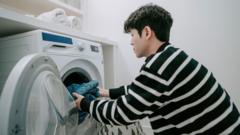
Understanding the Rising Energy Bills Challenge
Rising energy bills have become a pressing concern for households worldwide, prompting families to seek practical solutions for managing their utility expenses. With energy prices climbing at unprecedented rates, understanding the factors behind rising energy bills and implementing cost-reduction strategies has never been more critical for maintaining household budgets.
Why Are Energy Costs Increasing?
The surge in rising energy bills stems from multiple interconnected factors affecting global markets. Fluctuating fossil fuel prices, aging infrastructure requiring maintenance investments, and increased demand for electricity during peak seasons all contribute to the upward pressure on energy costs. Additionally, regulatory changes and the transition toward renewable energy sources require substantial infrastructure investments that utilities pass on to consumers through rate adjustments.
Market Dynamics and Commodity Prices
Global commodity markets directly influence what households pay for electricity and gas. When crude oil prices spike or natural gas becomes scarce, energy providers immediately adjust rates to reflect these wholesale cost changes. Understanding these market forces helps explain why rising energy bills often occur suddenly and why long-term planning becomes essential.
Practical Solutions to Combat Rising Energy Bills
Despite the challenges posed by rising energy bills, numerous actionable strategies can help households significantly reduce their monthly utility expenses. By combining behavioral changes with technological investments, homeowners can create a comprehensive approach to energy management.
Optimize Your Home's Insulation and Weatherproofing
One of the most effective ways to reduce the impact of rising energy bills involves improving your home's thermal efficiency. Proper insulation in attics, basements, and walls prevents heated or cooled air from escaping, forcing heating and cooling systems to work harder and longer. Sealing air leaks around windows, doors, and utility penetrations eliminates pathways where conditioned air escapes, directly reducing the energy consumption that drives rising energy bills.
Upgrade to Energy-Efficient Appliances
Older appliances consume substantially more electricity than modern, certified energy-efficient models. Replacing outdated refrigerators, washing machines, dishwashers, and water heaters with ENERGY STAR certified alternatives can reduce energy consumption by 10-50 percent, providing meaningful relief from rising energy bills. While initial purchase costs may seem significant, the long-term savings quickly offset the investment through reduced monthly utility charges.
Install a Smart Thermostat System
Smart thermostats represent a technological solution to rising energy bills by automatically adjusting temperature settings based on occupancy patterns and weather conditions. These devices learn your preferences and optimize heating and cooling schedules, reducing energy waste when no one is home or during sleeping hours. Users typically observe 10-15 percent reductions in heating and cooling costs after installation.
Behavioral Changes That Reduce Energy Consumption
Beyond technological upgrades, daily behavioral modifications significantly impact rising energy bills. Simple habits like turning off lights in unoccupied rooms, using natural ventilation when weather permits, and running full loads in dishwashers and washing machines collectively reduce household energy consumption.
Water Heating Efficiency
Water heating represents a substantial portion of household energy expenses. Lowering water heater temperatures to 120 degrees Fahrenheit, installing low-flow showerheads, and taking shorter showers directly address rising energy bills related to hot water consumption. These adjustments maintain comfort while noticeably reducing monthly utility charges.
Financial Assistance and Rate Programs
Many utility providers offer programs designed to help customers manage rising energy bills through favorable rate structures. Time-of-use programs charge lower rates during off-peak hours, incentivizing consumption shift away from peak demand periods. Budget billing programs spread annual costs evenly across twelve months, eliminating seasonal spikes that make rising energy bills particularly burdensome during winter and summer months.
Government Assistance Options
Federal and state agencies provide various assistance programs for households struggling with rising energy bills. The Low Income Home Energy Assistance Program (LIHEAP) offers direct financial aid to eligible households, while weatherization programs provide free or low-cost home improvements that reduce energy consumption patterns contributing to rising energy bills.
Long-Term Investments for Sustainable Savings
For homeowners ready to make substantial investments, renewable energy solutions offer permanent solutions to rising energy bills. Solar panel installation can eliminate or drastically reduce electricity bills, while heat pump technology provides efficient heating and cooling alternatives to traditional systems. Although upfront costs are considerable, available tax credits and rebates significantly improve return on investment timelines.
Creating Your Personalized Energy Action Plan
The most effective approach to addressing rising energy bills involves developing a customized strategy based on your home's specific characteristics, climate zone, and usage patterns. Begin with a professional energy audit to identify your home's primary energy loss points and consumption inefficiencies. Prioritize improvements based on potential cost savings and investment requirements, implementing changes gradually as budget allows.
By taking decisive action through insulation improvements, appliance upgrades, behavioral modifications, and exploring financial assistance programs, households can effectively counteract rising energy bills and achieve substantial long-term savings on utility expenses.


