Queensland Buries Domestic Violence Victims' Report
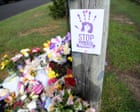
Queensland Government Suppresses Domestic Violence Survivors' Findings
The Queensland government has concealed crucial findings from its own working group comprising domestic violence victims and survivors. This domestic violence victims report, which emerged through leaked documents, presents scathing criticism of police responses to family violence incidents and explicitly recommends establishing a "civilian review mechanism" to handle escalated complaints against police officers.
The Liberal National Party administration has consistently promoted its commitment to placing victims "at the heart" of Queensland's justice system. However, the suppression of these recommendations contradicts that stated commitment and raises serious questions about the government's genuine dedication to victim-centered reform.
Key Criticisms in the Buried Report
The leaked documentation reveals extensive concerns from domestic violence survivors regarding how law enforcement agencies handle family violence cases throughout Queensland. The victim-survivors' panel identified systemic gaps in police response protocols and highlighted instances where complaints were inadequately addressed or dismissed.
Police Response Failures
According to the report, Queensland Police Service responses to domestic violence incidents frequently fall short of victim expectations and safety requirements. Survivors documented cases where initial reports were not properly investigated, evidence was mishandled, or perpetrators received insufficient warnings despite repeated complaints. These failures suggest a concerning pattern within Queensland's law enforcement approach to family violence matters.
Call for Civilian Oversight
The most significant recommendation emerging from this domestic violence victims report advocates for implementing civilian oversight mechanisms. Rather than allowing police to investigate complaints internally, the panel proposes establishing independent civilian review boards with authority to escalate serious concerns and enforce accountability measures. This proposal directly challenges current police self-regulation practices in Queensland.
Government Secrecy and Victim Advocacy
The government's decision to bury these findings from domestic violence survivors represents a troubling contradiction. Officials have repeatedly emphasized victim-centered approaches while simultaneously suppressing recommendations from the very people most affected by family violence. This inconsistency undermines public trust in Queensland's commitment to meaningful reform.
The suppression became apparent only through leaked documents circulating among domestic violence advocacy organizations. The government has not formally released the report, nor has it explained why recommendations from victim-survivors were deemed unsuitable for public consideration or implementation.
Broader Implications for Family Violence Reform
This situation highlights systemic challenges in Queensland's approach to family violence prevention and victim protection. When governments ignore insights from domestic violence survivors, they miss critical opportunities to implement evidence-based reforms that could prevent further harm and improve outcomes for vulnerable people.
The buried domestic violence victims report suggests that current police-centered approaches may be insufficient. Victim-survivors consistently report feeling unsupported by existing systems, and their recommendations for civilian oversight reflect hard-won lessons from personal experiences with family violence.
Accountability Questions
As this matter gains attention, significant accountability questions emerge regarding government decision-making. Why were recommendations from a government-convened panel dismissed? Who authorized the suppression of these findings? What specific concerns prompted the government to bury a domestic violence victims report rather than acting on its recommendations?
These questions demand transparent answers. The Queensland government must explain whether it deliberately concealed findings that conflicted with law enforcement interests, or whether other political considerations influenced the decision to suppress victim-survivor recommendations.
Moving Forward with Genuine Victim-Centered Reform
Meaningful progress on family violence requires genuine engagement with victim voices. The buried domestic violence victims report represents an opportunity lost—an opportunity to implement reforms that survivors themselves identified as necessary. Without transparent policy-making that incorporates victim expertise, Queensland risks perpetuating inadequate responses to family violence.
The path forward requires the Queensland government to reckon with this suppressed report, release its findings publicly, and commit to implementing recommended reforms including civilian oversight mechanisms. Putting victims "at the heart" of justice policy must mean more than rhetoric; it must translate into concrete actions based on survivor recommendations, even when those recommendations challenge existing institutional structures.