
Prominent Russian Anti-War Politician Sentenced to 11 Years
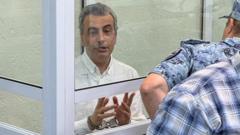
Anti-War Politician Faces Lengthy Imprisonment
A prominent Russian anti-war politician has been handed down an 11-year prison sentence following a controversial verdict that critics argue represents political persecution. The conviction centers on charges of "discrediting" Russia's armed forces, marking another significant moment in the ongoing tensions between the Russian government and its political opposition. This case involving the prominent Russian anti-war politician highlights growing concerns regarding judicial independence and freedom of expression within the country.
The Conviction and Legal Charges
The defendant was found guilty of making statements deemed to undermine the reputation of Russia's military establishment. Prosecutors leveraged laws that have increasingly been used against dissenting voices and political opponents. The charges stem from public statements and political advocacy that challenged the government's military policies. Legal experts have raised questions about the application of these laws, noting that similar legislation has been employed in multiple cases against opposition figures and activists.
Political Motivation and Judicial Concerns
The convicted politician has publicly rejected the verdict, characterizing it as governmental retaliation for his outspoken opposition stance. He contends that the prosecution represents a broader pattern of suppressing dissent through the judicial system. His legal team argues that the charges fundamentally violate principles of free speech and political expression. International observers have similarly questioned whether the trial adhered to standards of fair judicial process and due process protections that are essential in democratic systems.
Broader Context of Political Opposition
This case reflects a wider trend affecting the Russian anti-war politician community and opposition figures generally. Over recent years, numerous activists, journalists, and political critics have faced legal proceedings based on similar charges. Human rights organizations have documented concerns about the weaponization of legal mechanisms against those who publicly criticize government policies. The conviction signals continued pressure on independent voices within Russian civil society.
International Response and Implications
The sentencing has drawn attention from international human rights bodies and foreign governments. Various diplomatic missions and international organizations have expressed concern regarding the implications for political freedoms. The case raises questions about the trajectory of civil liberties protections in the region. Many observers see the conviction as emblematic of broader challenges facing political opposition and democratic participation in contemporary Russia.
Impact on Public Discourse
The outcome of this high-profile case sends a signal regarding the risks associated with public political dissent. Critics worry that such prosecutions create a chilling effect on free expression and political debate. The conviction may discourage others from voicing opposition to government policies or military actions. Civil society groups have raised alarms about the implications for public discourse and the ability of citizens to engage in legitimate political criticism.


