
Panama Canal Limits Daily Transits Amid El Niño Rainfall Crisis
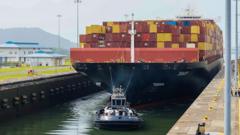
Panama Canal Implements Transit Restrictions Due to Severe Drought Conditions
The Panama Canal, one of the world's most critical maritime arteries, is implementing significant restrictions on vessel movement through its locks as operators confront unprecedented water scarcity linked to El Niño weather patterns. The Panama Canal drought has forced administrators to make the difficult decision to limit the number of ships that can traverse this essential waterway daily, marking a substantial shift in operations that will ripple across international commerce and shipping schedules.
Officials responsible for managing this vital passage announced that the reduction in daily transits stems directly from insufficient rainfall across the Panama Canal region. The El Niño rainfall impact has created acute water shortage challenges that threaten the canal's capacity to maintain normal operations. This atmospheric phenomenon, characterized by warmer-than-average ocean temperatures in the Pacific, has disrupted precipitation patterns across Central America, leaving watershed areas that feed the canal's lock system critically depleted.
Understanding the Water Supply Challenge
The Panama Canal operates on a sophisticated system of freshwater locks that require enormous quantities of water to function properly. Each passage through the canal consumes millions of gallons of fresh water, which is typically replenished through rainfall in the watershed areas that drain into Gatun Lake and other reservoirs. When El Niño rainfall impact reduces precipitation below normal levels, these reservoirs cannot maintain adequate water reserves, forcing operators to make difficult operational decisions.
Canal administrators have stressed that the current water deficit cannot be ignored without risking permanent damage to the infrastructure. The Panama Canal drought represents a genuine crisis for the institution, as maintaining sufficient water levels is fundamental to the entire operation. Without adequate reserves, the canal cannot accommodate the full complement of daily transits that it typically handles, which normally numbers between 36 and 40 vessels per day depending on vessel size and type.
Global Shipping Impact and Commercial Consequences
The reduction in canal ship transits carries profound implications for global trade networks and shipping companies worldwide. The Panama Canal represents approximately 5-6% of global maritime commerce, with roughly 14,000 vessels passing through annually under normal operating conditions. Limiting the number of daily transits creates bottlenecks that force shipping companies to make strategic decisions about routing, scheduling, and cost management.
When ship transits through the canal face constraints, alternative routes become necessary for some vessel operators. The alternative passage around Cape Horn at the southern tip of South America extends voyage times considerably and increases fuel consumption, making it economically unfavorable for most shipping companies. However, with canal ship transits restricted, some operators have no choice but to accept these longer, more expensive routes or delay their shipments considerably.
El Niño's Role in Global Climate Disruption
The El Niño rainfall impact on Panama Canal operations demonstrates how global climate phenomena directly affect critical infrastructure worldwide. El Niño occurs when abnormally warm ocean temperatures in the tropical Pacific disrupt normal atmospheric circulation patterns. In the case of Central America and the Panama Canal region, this phenomenon typically results in reduced rainfall during what would normally be the wet season.
Scientists have noted that the intensity and frequency of El Niño events appear to be shifting due to broader climate change trends. The Panama Canal drought conditions currently being experienced represent a microcosm of how water-dependent systems face increasing vulnerability to climate variability. Unlike the 2023 drought that also affected canal operations, the current El Niño rainfall impact emerged somewhat later in the season, catching some observers off guard.
Operational Adjustments and Future Planning
Canal management has implemented several measures to cope with the water shortage. These strategies include adjusting lock operating procedures to minimize water loss, implementing stricter vessel scheduling protocols, and potentially increasing transit fees during peak demand periods. The canal's authority has also invested in additional water conservation infrastructure, though these measures provide only temporary relief.
Looking forward, the Panama Canal drought situation underscores the need for long-term water management solutions. Experts suggest that expanded water storage capacity, improved watershed management, and possibly desalination facilities could help mitigate future crises. However, implementing such infrastructure improvements requires significant capital investment and careful environmental planning.
What Lies Ahead for Shipping Industries
Shipping companies, port operators, and goods manufacturers must adapt to the reality that Panama Canal ship transits may remain constrained for the foreseeable future. Industry groups have begun advocating for compensation mechanisms or toll adjustments that account for the reduced capacity. Meanwhile, insurance companies and logistics firms are recalculating risk assessments and route optimization strategies.
The Panama Canal drought represents a sobering reminder that even the world's most sophisticated infrastructure systems remain vulnerable to environmental factors beyond human control. As El Niño rainfall impact continues affecting the region, stakeholders throughout the global supply chain must demonstrate flexibility and innovation in managing this unprecedented operational challenge.


