
Overnight Forest Fire Operations Intensify as Vehicles Left Behind
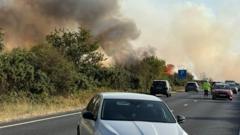
Forest Firefighting Operations Continue Throughout the Night
Emergency response teams have announced that forest firefighting operations will persist around the clock as the wildfire situation continues to escalate. Authorities confirm that forest firefighting efforts remain critical as flames spread rapidly across affected regions, forcing residents to make difficult decisions about evacuating their properties immediately.
The ongoing forest firefighting campaign represents one of the most challenging scenarios emergency services face, with crews working extended shifts to contain the expanding blaze. According to fire management officials, maintaining continuous forest firefighting operations is essential to prevent further property loss and protect surrounding communities from encroaching danger zones.
Evacuations Force Residents to Abandon Personal Vehicles
As the emergency situation intensified on Sunday, many residents faced the harrowing decision to leave their vehicles behind when evacuating from threatened areas. One woman described the distressing moment when she realized her family's car might become engulfed in flames as the fire took hold across the region. Her account reflects the panic and urgency experienced by countless families forced to prioritize their lives over their possessions.
Impact on Local Communities and Property
The abandoned cars scattered throughout evacuation zones serve as stark reminders of the speed and ferocity with which the wildfire advanced. These vehicles represent not merely material losses but also the human cost of such natural disasters. Residents who evacuated without their cars now face uncertainty regarding their belongings and the condition of their homes once the forest firefighting operations conclude.
Emergency Services and Firefighting Response
Fire management agencies have mobilized extensive resources to combat the spreading flames. Forest firefighting teams continue deploying specialized equipment and personnel to establish firebreaks and prevent the fire from advancing toward populated areas. The overnight operations underscore the dangerous conditions firefighters willingly enter to protect communities, often working in low-visibility environments and unpredictable fire behavior.
Recovery and Future Preparedness
As forest firefighting efforts continue, authorities are already planning recovery operations and assessing the full extent of damages across affected regions. The incident highlights the importance of maintaining robust emergency response systems and ensuring communities understand evacuation protocols. Future forest firefighting strategies will likely incorporate lessons learned from this event to improve both prevention and emergency response capabilities.


