NHS Urges Testing for PMOS in Women With Menstrual Irregularities
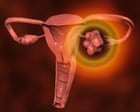
NHS Guidance on PMOS Screening Emphasizes Early Detection
New recommendations from the National Health Service highlight the importance of PMOS screening for women experiencing menstrual irregularities. According to recent NHS guidance, approximately 4 million women with irregular periods warrant investigation for polyendocrine metabolic ovarian syndrome, a condition that remains significantly underdiagnosed across healthcare systems. PMOS screening protocols aim to identify cases early and improve management strategies for affected individuals.
Polyendocrine metabolic ovarian syndrome, formerly recognized as polycystic ovarian syndrome, represents a complex endocrine disorder that impacts reproductive and metabolic function. The World Health Organization estimates that this condition affects approximately 13% of women of reproductive age globally, making it one of the most prevalent hormonal disorders in female populations.
Understanding the Prevalence of PMOS
The scale of PMOS impact cannot be overstated. With millions of women potentially affected by this condition, healthcare systems face significant challenges in ensuring proper diagnosis and consistent management. The underdiagnosis of PMOS contributes to delayed treatment initiation and suboptimal health outcomes for many women who remain unaware of their condition.
PMOS screening becomes particularly crucial given the wide range of manifestations this syndrome can present. Women experiencing irregular menstrual cycles often dismiss their symptoms as normal variation, missing opportunities for early intervention that could prevent complications and improve long-term health prospects.
Healthcare Inconsistencies in PMOS Management
Healthcare providers have historically managed PMOS inconsistently, according to clinical guidelines from the National Institute for Health and Care Excellence. This variation in clinical practice means that women with similar presentations may receive vastly different diagnostic approaches and treatment plans depending on their healthcare provider and location.
The new NHS guidance addresses these inconsistencies by establishing standardized protocols for identifying and managing women with suspected PMOS. By implementing uniform screening recommendations, the healthcare system aims to reduce diagnostic delays and ensure equitable access to appropriate care across all regions.
PMOS Screening Recommendations for Healthcare Professionals
Healthcare professionals now have clearer direction regarding when PMOS screening should be considered. The guidance identifies irregular periods as a key indicator warranting investigation, alongside other clinical features commonly associated with polyendocrine metabolic ovarian syndrome. These standardized criteria help ensure that healthcare providers recognize potential cases and initiate appropriate diagnostic pathways.
Women presenting with menstrual irregularities should expect thorough evaluation that considers hormonal profiles, imaging studies, and metabolic assessment. This comprehensive approach enables healthcare providers to confirm PMOS diagnosis and identify any concurrent metabolic or reproductive complications that may require intervention.
Impact on Women's Health and Quality of Life
PMOS extends beyond menstrual irregularities, affecting multiple body systems and potentially impacting fertility, metabolic health, and overall wellbeing. Women with undiagnosed PMOS may experience increased risk of insulin resistance, type 2 diabetes, cardiovascular disease, and psychological complications including anxiety and depression.
Early identification through PMOS screening enables timely intervention that can prevent or delay the onset of long-term complications. Treatment options ranging from lifestyle modifications to pharmacological interventions can be tailored to individual patient needs, improving symptom management and health outcomes.
Implementing NHS Guidance Across Healthcare Systems
The rollout of these new screening recommendations requires coordination across primary care, secondary care, and specialist services. General practitioners play a crucial role in identifying women who warrant PMOS investigation based on presenting symptoms and clinical history.
Healthcare facilities must ensure adequate training and resources to implement these guidelines effectively. This includes access to appropriate diagnostic testing, specialist consultation when needed, and patient education resources that help women understand their condition and participate actively in treatment planning.
Future Directions in PMOS Care
The emphasis on PMOS screening and standardized management represents progress in women's healthcare. As awareness increases and diagnostic accuracy improves, healthcare systems can better serve the millions of women affected by this condition. Continued research into PMOS pathophysiology will likely lead to enhanced diagnostic tools and more targeted treatment approaches in coming years.