
Netanyahu Rejects Trump's Gaza Plan Amid Campaign Pressures
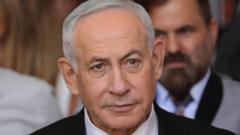
Netanyahu's Rejection of Trump's Gaza Initiative Reflects Political Strategy
Israeli Prime Minister Netanyahu has publicly rejected Trump's comprehensive Gaza plan, signaling potential friction in diplomatic efforts. However, the Trump administration maintains optimism regarding future discussions, interpreting the rejection primarily as campaign positioning rather than a definitive stance on the proposed framework.
Understanding the 15-Point Gaza Proposal
The Trump administration unveiled a detailed 15-point Gaza plan aimed at addressing the ongoing humanitarian and political crisis in the region. Netanyahu's dismissal of this Gaza plan comes as Israel approaches a general election, during which leaders frequently adopt harder-line public positions to appeal to conservative voters.
Campaign Rhetoric and Political Calculations
Senior officials within the Trump administration suggest they are not discouraged by Netanyahu's public rejection. According to diplomatic sources, the American government views the Israeli leader's resistance as typical election-season posturing. In competitive electoral environments, Israeli politicians often distance themselves from international agreements to demonstrate strength and commitment to national security concerns.
Trump Administration's Perspective on Ongoing Negotiations
The Trump team's measured response indicates confidence in eventual agreement. Rather than escalating tensions, administration officials have characterized Netanyahu's comments as temporary political maneuvering. This diplomatic patience suggests behind-the-scenes communications continue despite public disagreement about the Gaza plan framework.
Strategic Considerations in Middle East Diplomacy
The Trump administration's stance reflects broader strategic thinking about Israeli-Palestinian relations. By maintaining composed reactions to Netanyahu's rejection, American officials avoid creating additional obstacles to future negotiations. This approach recognizes that Israeli domestic politics significantly influence foreign policy decisions, particularly during election cycles.
The Broader Context of Israeli-Palestinian Peace Efforts
Efforts to resolve the Gaza conflict have historically faced numerous obstacles, and the Netanyahu Gaza plan rejection follows a familiar pattern. Previous peace initiatives have encountered similar resistance, only to resurface during different political circumstances. The Trump initiative represents another attempt to find common ground between divergent Israeli and Palestinian interests.
Election Dynamics in Israeli Politics
Netanyahu's positioning ahead of general elections must be understood within Israel's competitive political landscape. Opposition parties scrutinize any government concessions, using them as ammunition during campaigns. By publicly rejecting Trump's Gaza plan, Netanyahu insulates himself from criticism that he compromised Israeli security interests or negotiated from weakness.
Diplomatic Channels Remaining Active
Despite public disagreements, diplomatic communication continues between American and Israeli officials. The Trump administration's expressed confidence suggests ongoing private discussions about Gaza plan modifications or alternative proposals. This behind-the-scenes engagement often yields more substantive progress than public announcements.
International Pressure and Regional Stability
The Trump administration's determination to advance the Gaza plan reflects broader Middle East policy objectives. Achieving Israeli-Palestinian stability would significantly impact regional dynamics and American strategic interests. Consequently, American officials appear committed to working through Netanyahu's public objections toward eventual agreement.
Looking Forward: Future Negotiations on Gaza
Political observers expect Netanyahu's stance on the Gaza plan to evolve following election outcomes. Once electoral pressures diminish, the Israeli government may revisit the Trump proposal with greater flexibility. The Trump administration's current patience suggests confidence in this predictable political cycle.
The rejection of Trump's Gaza plan, while significant for headlines, may represent merely one negotiating phase rather than a permanent impasse. As Israeli elections progress and results crystallize, circumstances may become more favorable for resumed discussions about addressing Gaza's humanitarian and political challenges.


