NATO Secretary Demands Stronger UK and European Military Response
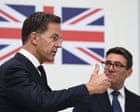
NATO Chief Calls for Enhanced Military Commitment
The NATO security environment has reached critical levels, requiring unprecedented cooperation between member states, according to remarks delivered by the alliance's secretary general during an official visit to the United Kingdom. The military alliance, comprising 32 nations, faces what officials describe as the most challenging and complex geopolitical situation in decades, demanding immediate and sustained action from all partners.
During discussions in the UK, alliance leadership emphasized that the NATO security environment cannot be stabilized through financial measures alone. Instead, a comprehensive approach combining military capabilities, technological advancement, and sustained financial investment remains essential for collective defense against emerging threats.
UK Defense Spending and Long-Term Commitments
Britain has committed to enhancing its defense expenditure, aligning spending levels with established NATO requirements and broader American strategic interests. The secretary general acknowledged these commitments positively, recognizing the United Kingdom's willingness to strengthen military capabilities.
However, officials stressed that current pledges represent merely the beginning of a longer-term process. Sustained, consistent investment in defense infrastructure, personnel training, and equipment modernization will prove necessary to maintain deterrence effectiveness against potential adversaries. The NATO security environment demands not temporary measures but fundamental shifts in how member states allocate resources toward collective defense.
European Defense Capabilities Under Scrutiny
Beyond British contributions, European nations collectively face pressure to significantly expand their military capabilities and defense budgets. The alliance leadership argued that European countries must demonstrate greater independence in defending their territorial interests while remaining committed to the NATO security environment framework.
This emphasis on European self-reliance reflects growing concerns about long-term American commitment levels and the need for European nations to develop indigenous military capabilities. Strategic analysts suggest that enhanced European defense spending could reduce dependency on American military support while strengthening the overall NATO security environment.
Geopolitical Challenges Driving NATO Decisions
Multiple factors contribute to the current assessment that the NATO security environment represents the most dangerous situation in a generation. Regional instability, rising military capabilities among non-aligned powers, cyber warfare threats, and territorial disputes all feature prominently in strategic planning.
The secretary general's warnings reflect concerns that current military readiness levels may prove insufficient without immediate enhancement. NATO security environment assessments indicate that potential conflicts could develop rapidly, potentially catching member states unprepared without proper defensive measures and equipment positioning.
Strategic Vision for Future Defense
Moving forward, the NATO security environment will require continuous evaluation and adaptation. Military planners emphasize that threats evolve constantly, demanding regular updates to defensive strategies and equipment procurement programs. The alliance must balance immediate security concerns with long-term planning for technological advancements and personnel development.
The message delivered to UK and European leadership remains clear: the NATO security environment demands sustained, serious commitment from all member states. Temporary increases in defense spending, while welcome, cannot substitute for fundamental shifts in how nations approach collective security responsibilities.
Alliance officials expect continued discussions regarding burden-sharing arrangements, equipment standardization, and joint operational planning throughout the coming years. The NATO security environment will likely remain central to international relations discussions, influencing diplomatic negotiations, military deployments, and budgetary decisions across all member states for the foreseeable future.