
Military Switches Focus to Drone-Equipped Warships Over Destroyer Replacement
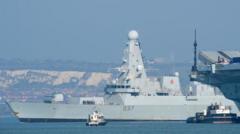
Navy Pivots Strategy Toward Drone-Equipped Warships
In a significant shift in naval procurement policy, the government has announced that drone-equipped warships will become the centerpiece of its modernization efforts rather than pursuing the traditional approach of replacing aging destroyers. This decision marks a fundamental change in how defence planners envision future maritime capabilities and reflects the growing importance of autonomous systems in contemporary naval operations.
The upcoming defence investment plan will prioritize the development and deployment of drone-equipped warships as part of a comprehensive overhaul of the nation's naval fleet. This strategic reorientation represents a departure from conventional thinking about naval power projection and demonstrates the government's commitment to embracing cutting-edge technology in military applications.
Understanding the Strategic Shift
The decision to invest in drone-equipped warships instead of simply replacing aging destroyers reflects broader trends in military modernization across developed nations. Rather than maintaining the existing fleet structure through traditional replacement cycles, defence officials have recognized that unmanned systems offer significant advantages in terms of operational flexibility, cost efficiency, and crew safety.
Drone-equipped warships represent a new category of naval vessels that integrate autonomous systems with advanced surveillance and weaponry capabilities. These vessels can operate with reduced crew requirements while maintaining or exceeding the operational effectiveness of traditional warships. The versatility of such platforms allows them to undertake diverse missions ranging from reconnaissance and intelligence gathering to direct combat support.
Implications for Naval Modernization
The government's commitment to drone-equipped warships signals a confidence in emerging technologies and a willingness to reshape naval doctrine accordingly. This investment acknowledges that future maritime challenges may be better addressed through unmanned platforms operating alongside manned vessels, rather than relying solely on traditional destroyer-class ships.
By choosing to develop drone-equipped warships, the ministry is positioning the nation's navy to maintain technological superiority in an increasingly complex security environment. The integration of autonomous systems into naval operations provides enhanced capabilities for extended deployments, surveillance missions, and rapid response operations without exposing personnel to unnecessary risks.
The Defence Investment Plan Framework
The upcoming defence investment plan encompasses a comprehensive strategy for modernizing military capabilities across multiple domains. Within this broader framework, the allocation of resources toward drone-equipped warships demonstrates a clear prioritization of innovation and technological advancement over incremental upgrades to existing platforms.
This approach allows defence planners to address emerging threats while simultaneously reducing long-term operational costs. The development of unmanned naval systems requires substantial investment in research and development, but promises significant returns through enhanced operational capabilities and reduced personnel requirements over the vessel's service life.
Technological Capabilities and Benefits
Drone-equipped warships offer numerous advantages over traditional naval vessels. These platforms can remain on station for extended periods, gathering intelligence and monitoring maritime activity without the logistical burdens associated with sustained crewed operations. The reduced manning requirements make these vessels more cost-effective to operate over their lifecycle while maintaining adequate defensive and offensive capabilities.
The autonomous systems integrated into these warships can be updated and improved through software upgrades, allowing the vessels to remain relevant throughout their service lives without requiring extensive refitting or technological obsolescence. This flexibility stands in stark contrast to traditional warship designs, which face mounting costs and diminishing relevance as threats and technologies evolve.
Looking Forward: Naval Strategy Evolution
The government's decision to prioritize drone-equipped warships over destroyer replacement programs reflects a forward-thinking approach to maritime security. As technology continues to advance and operational requirements shift, investing in unmanned systems positions the nation's navy to adapt rapidly to emerging challenges and opportunities.
The investment in drone-equipped warships demonstrates recognition that naval power in the coming decades will be fundamentally different from traditional models. By committing resources to these platforms now, the government is ensuring that its maritime forces remain capable, modern, and effective in addressing the security challenges of the future. This strategic pivot, detailed in the defence investment plan, represents a decisive step toward a more agile and technologically advanced naval force.


