
Microsoft Quantum Lab in Denmark Welcomes Adrienne Murray
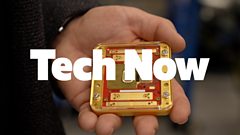
Exclusive Access to Microsoft's Quantum Lab in Denmark
Adrienne Murray has been granted rare and exclusive access to Microsoft's Quantum Lab in Denmark, marking a significant opportunity to explore the company's groundbreaking quantum computing initiatives. This exceptional access provides a unique perspective into one of the technology industry's most advanced research facilities, where scientists and engineers are working on innovations that could reshape the future of computing.
Understanding Microsoft's Quantum Computing Mission
Microsoft's commitment to quantum technology represents a pivotal shift in how the company approaches computational challenges. The Microsoft Quantum Lab in Denmark serves as a hub for research and development, bringing together some of the brightest minds in quantum physics and computer science. The facility focuses on creating practical quantum solutions that address real-world problems across industries ranging from pharmaceuticals to materials science.
The Importance of Quantum Research in Modern Technology
Quantum computing represents a fundamental departure from classical computing methods. Unlike traditional computers that process information using bits (either 0 or 1), quantum computers utilize quantum bits or qubits, which can exist in multiple states simultaneously. This property, known as superposition, enables quantum computers to process vast amounts of data and solve complex problems at unprecedented speeds.
The research being conducted at Microsoft's Danish facility contributes to the broader understanding of how quantum systems can be harnessed for practical applications. Scientists at the lab are exploring topological qubits, a theoretical approach that Microsoft believes could lead to more stable and reliable quantum computers compared to current technology available in the industry.
The Danish Quantum Research Hub
Denmark has emerged as a strategic location for quantum research and development, hosting some of Europe's most ambitious technological initiatives. The Microsoft Quantum Lab in Denmark benefits from the country's strong academic infrastructure, partnerships with leading universities, and a highly educated workforce specializing in physics and mathematics. This geographic advantage has helped position the facility as a leading center for quantum innovation on the European continent.
Collaboration and International Partnership
The quantum research community operates on principles of collaboration and knowledge sharing. Microsoft's facility in Denmark works closely with academic institutions, government organizations, and other technology companies to advance the field of quantum computing. These partnerships are essential for accelerating the development of quantum technologies that will eventually become commercially viable.
Murray's Insights into Quantum Innovation
Adrienne Murray's rare access to the Microsoft Quantum Lab in Denmark provides valuable opportunities for in-depth reporting and analysis of the cutting-edge work being performed at the facility. Her perspective helps bring attention to the significant investments and efforts that technology companies are dedicating to quantum research, helping the broader public understand the importance of these developments.
Such exclusive access allows for detailed examination of the researchers' methods, their challenges, and their vision for how quantum computing will transform industries in the coming decades. Murray's reporting contributes to informed discourse about the future of technology and the competitive landscape of quantum development among global technology leaders.
The Future of Quantum Technology
The trajectory of quantum computing development suggests significant breakthroughs are on the horizon. Microsoft's investments in quantum research, along with parallel efforts by other major technology companies, indicate that practical quantum computers may become available within the next several years. These systems could revolutionize fields such as drug discovery, cryptography, optimization, and artificial intelligence.
As Microsoft Quantum Lab in Denmark continues its research, the implications for global technology development become increasingly apparent. The facility represents not just corporate investment in emerging technology, but a commitment to solving some of humanity's most complex computational challenges through quantum innovation and scientific excellence.


