Michigan Health Officials Pinpoint Salad Greens as Cyclosporiasis Outbreak Source
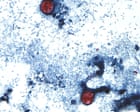
Cyclosporiasis Outbreak Michigan: Health Officials Identify Contaminated Produce
Michigan state health authorities have released new findings regarding the widespread cyclosporiasis outbreak that has affected numerous residents across the region. The Michigan Department of Health and Human Services announced on Monday that the cyclosporiasis outbreak has been traced to contaminated lettuce and salad greens consumed by affected individuals. This parasitic infection has emerged as a significant public health concern, prompting intensive investigation efforts from state officials.
The identification of these produce items as potential contamination sources represents a critical milestone in understanding how the parasitic illness spread throughout Michigan communities. Health inspectors and epidemiologists have been working diligently to trace the outbreak's origins and prevent further cases of cyclosporiasis infection.
Understanding Cyclosporiasis and Its Symptoms
Cyclosporiasis is a parasitic infection caused by the Cyclospora cayetanensis parasite, which affects the intestinal system and causes severe gastrointestinal distress. Individuals who contract this cyclosporiasis outbreak experience multiple debilitating symptoms that can persist for weeks if left untreated.
Common symptoms associated with cyclosporiasis include profuse watery diarrhea, which can become severe and lead to dehydration. Patients also report experiencing significant loss of appetite, making proper nutrition difficult during recovery periods. Additionally, infected individuals typically experience notable weight loss as the parasitic infection progresses, further compromising their overall health status.
How the Cyclosporiasis Parasite Spreads
The cyclosporiasis outbreak investigation reveals that contaminated produce serves as the primary transmission vector for this parasitic infection. The parasite can contaminate fresh vegetables including lettuce and mixed salad greens at various points in the supply chain, from cultivation through distribution and retail sale.
When consumers prepare and consume contaminated salad greens without adequate washing, they risk ingesting the parasitic organisms responsible for cyclosporiasis infection. The parasite's resilience allows it to survive on produce surfaces, making thorough cleaning essential for prevention.
Michigan Department's Investigation Into Cyclosporiasis Outbreak
The Michigan Department of Health and Human Services has emphasized that while early investigation results point toward lettuce and salad greens as likely contamination sources, the cyclosporiasis outbreak investigation remains ongoing and comprehensive. Officials have cautioned that other food sources cannot be completely ruled out at this stage of the inquiry.
State epidemiologists are conducting detailed traceback investigations to identify the specific farms, suppliers, or processing facilities responsible for distributing contaminated produce. This methodical approach helps prevent future cyclosporiasis outbreaks by identifying and addressing contamination sources throughout the food supply chain.
Collaborative Efforts in the Cyclosporiasis Investigation
Multiple agencies are collaborating on the cyclosporiasis outbreak response, including local health departments and the federal Centers for Disease Control and Prevention. This inter-agency coordination ensures that all available resources and expertise are directed toward resolving the outbreak quickly and effectively.
Preventive Measures and Public Health Recommendations
Health officials strongly recommend consumers take additional precautions when handling fresh produce to prevent cyclosporiasis infection. Thorough washing of all lettuce and salad greens under running water before consumption is essential, even for pre-packaged varieties marketed as pre-washed.
Individuals who suspect they may have contracted cyclosporiasis should contact their healthcare providers immediately for testing and treatment. Early intervention is crucial for managing symptoms and preventing serious complications from parasitic infection.
The cyclosporiasis outbreak response continues to evolve as investigators gather additional data and epidemiological evidence. Michigan residents should remain vigilant regarding produce safety while health authorities work toward containing this outbreak and identifying all contamination sources.