
Massive Fire Engulfs Essex Industrial Complex in Major Incident
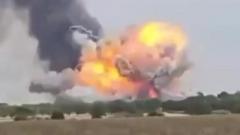
Major Industrial Fire Declared in Essex
An Essex industrial fire of significant proportions triggered a major incident declaration as emergency services mobilized an unprecedented response to contain the blaze. The incident unfolded at an industrial facility located south of Chelmsford, drawing the attention of fire departments across the region and forcing authorities to implement comprehensive emergency protocols.
The scale of the Essex industrial fire necessitated the deployment of approximately 100 firefighters who worked tirelessly to suppress the rapidly spreading flames and prevent the situation from escalating further. This substantial workforce allocation underscored the severity and complexity of the emergency, with firefighting crews operating under challenging conditions throughout the incident.
Emergency Response and Firefighting Efforts
The declaration of a major incident status enabled coordinated emergency response across multiple agencies and fire services. The Chelmsford blaze demanded sophisticated firefighting tactics and specialized equipment to tackle the intense heat and potential hazards present at the industrial location. Firefighters established strategic positions around the facility to control the spread and protect surrounding areas from the advancing flames.
Personnel from multiple fire stations converged on the scene, with crews working in coordinated shifts to manage the sustained firefighting operations. The intensity of the industrial site explosion and subsequent fire required continuous water supply, aerial ladder platforms, and specialized containment measures. Fire commanders implemented systematic approaches to identify hotspots, suppress secondary fires, and ensure complete coverage of affected areas.
Scale and Impact of the Incident
The major incident declaration reflected the unprecedented nature of the event and its potential impact on surrounding communities and infrastructure. The industrial facility's location south of Chelmsford positioned it within a densely populated region, making swift containment crucial for public safety. Emergency services worked to establish safety perimeters and coordinate evacuations where necessary.
The firefighter response demonstrated the region's readiness to address large-scale emergencies. With 100 personnel engaged in active firefighting operations, crews maintained vigilance against potential explosions and secondary ignition sources. The coordination between different fire stations and emergency services highlighted the importance of regional cooperation in managing major industrial incidents of this magnitude.
Ongoing Operations and Safety Measures
Throughout the duration of the emergency, safety protocols remained paramount for both firefighting personnel and residents in adjacent areas. The response to the Essex industrial fire involved continuous monitoring, tactical reassessment, and adaptation to changing conditions on the ground. Fire safety officers worked to identify potential structural weaknesses and ensure safe working conditions for all personnel engaged in suppression efforts.
The incident prompted heightened awareness regarding industrial fire preparedness and emergency response capabilities within the Essex region. Emergency management teams maintained communication with local authorities, utility companies, and relevant stakeholders to address any secondary concerns arising from the initial industrial site explosion and subsequent fire spread.
Conclusion
The declaration of a major incident and deployment of 100 firefighters to combat the Essex industrial fire represented a significant emergency response effort. The Chelmsford blaze tested regional resources and demonstrated the coordinated capacity of emergency services to address large-scale industrial incidents. The successful management of this crisis reflected the dedication and expertise of firefighting personnel who worked collaboratively to contain the flames and protect the surrounding community from further harm.


