
Massive Crowds Gather at Tehran Funeral of Ayatollah Khamenei
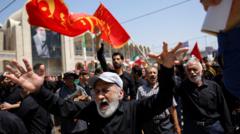
Ayatollah Khamenei Funeral Draws Unprecedented Crowds in Tehran
The Ayatollah Khamenei funeral commenced with extraordinary public attendance as thousands of mourners converged on Tehran's most significant religious venues. The historic gathering marks the beginning of an extensive farewell ceremony spanning multiple days and crossing international borders, reflecting the supreme leader's profound influence across Iran and the broader Islamic world.
Body Lies in State at Grand Mosalla
Ali Khamenei's mortal remains are displayed at Tehran's Grand Mosalla, one of the nation's most revered religious sites, where the public pays final respects during designated hours. This location holds deep symbolic significance in Iranian religious and political culture, serving as the focal point for the initial phase of the Ayatollah Khamenei funeral proceedings.
The Grand Mosalla, also known as Mosalla of Tehran, has historically hosted pivotal moments in Iran's modern history. Its selection for the Ayatollah Khamenei funeral underscores the ceremonial importance and national prominence of the event. Authorities have implemented extensive security measures and crowd management protocols to accommodate the overwhelming number of attendees arriving from across the country.
Schedule and Timeline of Events
According to official announcements, the body will remain in state until Monday, allowing continued public access for mourning and prayer. Following this period, the Ayatollah Khamenei funeral proceedings will transition to a comprehensive journey encompassing multiple cities and regions. This extended timeline reflects traditional Iranian funeral practices combined with the exceptional status of the nation's supreme leader.
The transition phase of the funeral will see the procession travel beyond Iran's borders into Iraq, where significant Shia religious communities maintain strong cultural and spiritual connections to Iran's leadership. This cross-border aspect of the Ayatollah Khamenei funeral demonstrates the regional significance of his role and the interconnected nature of Shia Islamic networks throughout the Middle East.
Regional Significance and International Dimensions
The Ayatollah Khamenei funeral extends beyond domestic Iranian observances, incorporating visits to sacred sites in Iraq that hold paramount importance in Shia Islam. Karbala and Najaf, home to some of the religion's holiest shrines, are expected to receive portions of the ceremonial procession, allowing Iraqi Shia populations to participate in honoring the deceased leader.
This international dimension of the Ayatollah Khamenei funeral reflects his position as a leading figure not only within Iran but throughout Shia communities across the Middle East and beyond. The ceremonial journey acknowledges the interconnected spiritual and political influence he exercised in the region for decades.
Public Mourning and National Response
The overwhelming attendance at the initial gathering demonstrates the depth of public emotion surrounding the Ayatollah Khamenei funeral. Citizens from various backgrounds, ages, and social classes have made pilgrimages to Tehran to participate in the mourning process, indicating the broad reach of his authority and significance in Iranian society.
Government officials have mobilized extensive resources to manage the Ayatollah Khamenei funeral logistics, including transportation coordination, security deployment, and accommodation arrangements for visitors traveling from remote regions. The operational scale underscores the unprecedented nature of the event and its importance to Iran's political and religious establishment.
Historical Context and Legacy
The Ayatollah Khamenei funeral ceremonies honor an individual who served as Iran's supreme leader for several decades, wielding considerable influence over the nation's religious, political, and military institutions. His funeral represents a pivotal moment in contemporary Iranian history, with implications for the country's future governance structure and regional relationships.
The comprehensive nature of the Ayatollah Khamenei funeral, extending from Tehran through Iraqi holy cities, reflects both traditional Shia funeral practices and the exceptional standing of the deceased within Islamic governance frameworks. This ceremonial approach provides closure for millions while establishing a formal transition period for Iranian leadership succession.


