
King Charles Pays £12.9M Tax: Three Unique Aspects Revealed
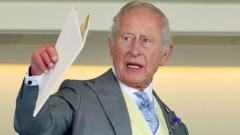
King Charles Tax Bill: Understanding the Monarch's Unique Fiscal Position
King Charles's tax bill for 2024-2025 totaled £12.9 million, bringing significant attention to how the King's tax bill operates in practice. The monarch's financial obligations present several distinctive characteristics that set royal taxation apart from standard UK tax procedures, offering fascinating insights into the British constitutional system and its approach to crown finances.
First Unusual Aspect: Voluntary Tax Arrangements
The most striking feature of King Charles's tax bill relates to its fundamentally voluntary nature. Unlike ordinary UK taxpayers who face mandatory income tax requirements, the monarch operates under a longstanding convention established decades ago. This arrangement means the King voluntarily contributes to the public exchequer rather than being legally compelled to do so under standard tax law.
The origins of this voluntary approach trace back to historical negotiations between the crown and parliament. When King George VI and subsequently Queen Elizabeth II established this precedent, it represented a significant constitutional understanding. Today, King Charles's tax bill reflects this continued voluntary commitment, demonstrating the monarchy's dedication to contributing fairly to national finances.
The Historical Context of Royal Tax Contributions
Prior to implementing systematic tax payments, monarchs traditionally enjoyed exemptions from ordinary taxation. The transition toward King Charles's tax bill arrangement marked a watershed moment in royal fiscal responsibility. This transformation occurred gradually, with various arrangements tested before settling on the current framework that produces the £12.9 million annual contribution.
Second Unusual Aspect: Supplementary Voluntary Gift
Beyond the standard King Charles tax bill arrangement, the monarch provides additional voluntary contributions to the Treasury. This means the total amount returned exceeds what formal agreements strictly require. The £12.9 million figure encompasses both the conventional tax payment and this supplementary voluntary gift.
This practice demonstrates royal commitment extending beyond minimum obligations. While ordinary taxpayers meet their statutory requirements through King Charles's tax bill calculations, the additional voluntary element reflects a broader constitutional philosophy. The monarchy actively chooses to contribute more than minimum standards demand, reinforcing the crown's role as a responsible steward of public finances.
Understanding the Voluntary Gift Component
The supplementary voluntary gift represents a distinct category within King Charles's tax bill arrangements. This contribution falls outside traditional tax assessment mechanisms, instead operating through formal agreements negotiated between royal advisors and Treasury officials. The arrangement provides flexibility while maintaining transparency regarding crown finances.
Third Unusual Aspect: Crown Estate Complexities
Perhaps the most intricate dimension of King Charles's tax bill involves the Crown Estate. The monarch's relationship with this substantial asset portfolio creates unique taxation scenarios that differ markedly from standard property ownership or investment arrangements. The Crown Estate generates considerable revenue, yet operates under distinct legal and financial structures.
King Charles's tax bill calculations must account for how Crown Estate revenues are treated within the broader fiscal framework. The estate's constitutional status means its financial products receive different treatment than comparable private holdings. This complexity requires specialized understanding of both constitutional law and taxation principles.
The Crown Estate's Financial Impact
The Crown Estate encompasses vast real estate holdings, marine resources, and other valuable assets generating billions in annual revenue. King Charles's tax bill reflects how these extraordinary resources are incorporated into the monarch's personal financial obligations. The relationship between crown properties and individual taxation creates scenarios without parallel in ordinary UK tax situations.
Transparency and Future Perspectives
The disclosure of King Charles's tax bill for 2024-2025 continues a pattern of increasing financial transparency surrounding the monarchy. Annual publication of these figures allows the public and parliament to understand how crown finances operate in practice. This openness distinguishes modern monarchy from historical precedent, where such details remained confidential.
Looking ahead, King Charles's tax bill arrangements may evolve as constitutional practices continue developing. The monarchy remains responsive to public expectations regarding fiscal responsibility. The current £12.9 million contribution represents the contemporary balance between respecting royal privileges and meeting modern standards of transparency and fairness.
Conclusion
King Charles's tax bill of £12.9 million illustrates three genuinely unusual aspects that set royal taxation apart from conventional circumstances. The voluntary nature of contributions, the inclusion of supplementary gifts, and the distinctive Crown Estate considerations create a truly distinctive fiscal situation. Understanding these elements provides valuable perspective on how the British constitutional monarchy operates in financial terms, demonstrating both the privileges and responsibilities associated with serving as sovereign of the United Kingdom.


