Khan Plans Soho Outdoor Dining Override in 2027
Mayor's Decision on Soho Outdoor Dining
The mayor of London, Sadiq Khan, is set to implement a significant policy regarding outdoor dining in Soho, moving forward despite resistance from the local authority. This decision marks a turning point in the long-standing debate over outdoor dining expansion in one of London's most vibrant entertainment zones. The outdoor dining initiative will form part of a broader seasonal pedestrianisation programme being rolled out across the capital beginning this summer.
Khan's determination to advance outdoor dining opportunities reflects a commitment to enhancing public spaces and supporting the hospitality sector in the city's West End area. The local council's failure to participate in the seasonal pedestrianisation application left an opening for mayoral intervention, allowing Khan to leverage new governmental powers to expedite the process.
Timeline and Implementation Strategy
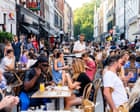
Starting from 2027, restaurants operating within Soho will gain the ability to position seating and furniture outside their establishments during the warmer months of the year. This phased approach provides businesses and stakeholders time to prepare for the transition and adapt their operational models accordingly. The introduction of outdoor dining spaces is expected to transform the character of Soho's streets, creating a more continental atmosphere while boosting economic activity in the district.
The seasonal nature of the scheme ensures that outdoor furniture and structures will be temporary installations, allowing for flexible management of street usage throughout the year. This framework has been designed to balance commercial interests with practical considerations regarding pedestrian flow and public access to thoroughfares.
Addressing Local Council Opposition
The Westminster City Council's reluctance to apply for participation in the seasonal pedestrianisation programme had created an impasse in advancing outdoor dining expansion in Soho. However, Mayor Khan's new executive powers enable him to circumvent local authority obstruction and implement the dining scheme independently. This represents a significant shift in the balance of power between city hall and borough-level governance on this particular issue.
Longstanding concerns raised by the local council included worries about street congestion, noise levels, and management of public spaces. Despite these objections, Khan believes the benefits of outdoor dining—including enhanced pedestrian experiences, increased restaurant revenue, and vibrant street life—outweigh the administrative challenges cited by the council.
Broader Seasonal Pedestrianisation Programme
The seasonal pedestrianisation initiative extends far beyond Soho's boundaries, encompassing multiple districts across London. This citywide scheme aims to create temporary car-free zones during warmer months, prioritizing pedestrians and outdoor activities. The programme reflects a modern urban planning philosophy increasingly adopted by major European and North American cities seeking to revitalize public spaces and reduce vehicular traffic in commercial districts.
London's seasonal pedestrianisation aligns with sustainability goals and contemporary urban design principles. By creating traffic-free environments, the scheme encourages walking, cycling, and extended time spent in public spaces. Restaurants benefit from expanded seating capacity, while residents and visitors enjoy improved air quality and reduced noise pollution during peak seasons.
Impact on London's Entertainment District
Soho's designation as a focal point for outdoor dining expansion underscores its importance within London's cultural and commercial landscape. The district is home to numerous restaurants, bars, and entertainment venues that have historically operated within spatial constraints. Outdoor dining expansion will unlock additional commercial opportunities for proprietors while enhancing the district's international appeal as a destination for tourism and leisure activity.
The transformation of Soho's streetscape through outdoor dining will likely influence broader perceptions of public space usage in London. Other entertainment districts may follow suit in applying for seasonal pedestrianisation benefits, creating a cascade effect across the city's hospitality sector.
Looking Forward to 2027
The implementation timeline provides stakeholders with a clearly defined date to prepare for changes. Restaurant owners can plan capital investments, local residents can anticipate street-level modifications, and city planners can coordinate infrastructure adjustments. This gradual transition approach minimizes disruption while allowing for comprehensive preparation by all parties involved.
Mayor Khan's determination to advance outdoor dining in Soho demonstrates executive commitment to modernizing London's public realm. As the 2027 launch date approaches, the success of this scheme will likely influence future decisions regarding pedestrianisation and al fresco dining expansion throughout the capital.