Junior Doctors in England Back Government Pay and Jobs Agreement
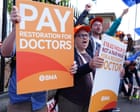
Junior Doctors in England Approve New Government Pay and Jobs Agreement
In a significant development for healthcare workers across the nation, junior doctors in England have voted to accept a comprehensive new government offer on pay and employment conditions. This acceptance marks a turning point after an extended period of industrial action that has placed considerable strain on the National Health Service and its operations.
The junior doctors pay deal represents a substantial improvement in compensation for trainee physicians and medical practitioners across England's healthcare system. The agreement stipulates that pay will be 35.2% higher on average when compared to compensation levels from four years prior, reflecting the magnitude of financial adjustment negotiated between government representatives and medical unions.
End of Costly Strike Action
The resolution brings to a close a prolonged campaign of strike action that commenced in the previous summer and has resulted in significant financial implications for the NHS. The strike action has cost the National Health Service approximately £1 billion in operational disruptions and related expenses over the course of the dispute.
The British Medical Association, serving as the primary representative body for doctors throughout England, played a crucial role in negotiations and the presentation of the final offer to its membership. Earlier this month, the organization made the strategic decision to call off scheduled strike action at the last moment, allowing the proposed agreement to be formally submitted to members for consideration and voting.
Background to the Dispute
The dispute over junior doctors pay and working conditions had escalated into one of the most significant healthcare labor conflicts in recent years. Members of the medical profession had expressed growing concerns about compensation that had not kept pace with inflation and cost-of-living increases experienced across the broader economy. These grievances prompted the initiation of coordinated strike action designed to pressure government negotiators into addressing the long-standing concerns of trainee physicians and junior medical staff.
Details of the Agreement
The government pay offer addresses multiple dimensions of employment for junior doctors in England, encompassing not only base salary adjustments but also conditions of employment more broadly. The 35.2% increase in average pay over a four-year period represents a commitment to restore competitiveness and address historical wage stagnation that had affected medical trainees relative to inflation and comparable professions.
The agreement also incorporates provisions related to job security and employment terms, acknowledging concerns raised by the British Medical Association regarding the professional development pathways and career progression opportunities available to doctors in training positions. These elements of the deal reflect recognition by government negotiators that compensation represents only one component of working conditions that affect healthcare worker retention and recruitment.
Impact on the NHS
The cessation of strike action and acceptance of the pay agreement provide an opportunity for the National Health Service to stabilize operations and address the substantial backlog of procedures and treatments that accumulated during the period of industrial action. Healthcare administrators have emphasized the importance of returning to normal service delivery and reducing waiting times that have been extended as a consequence of work stoppages.
The financial impact of the agreement will require careful budgeting within NHS operational frameworks, as institutions navigate the cost implications of implementing the pay increases while maintaining service delivery standards. Healthcare leaders have committed to working within available budgets to ensure that improved compensation for junior doctors does not compromise patient care quality or the availability of essential medical services.
Implications for Healthcare Workforce
The resolution of the junior doctors pay dispute carries broader implications for workforce stability within England's healthcare system. Medical professionals who had considered relocating to other countries or leaving the profession entirely may reconsider their career trajectories in light of the improved compensation and employment terms now secured through negotiation.
The agreement demonstrates the effectiveness of collective bargaining when conducted through established representative organizations such as the British Medical Association. This resolution may establish precedents for future negotiations involving other healthcare professional groups and their respective compensation discussions with government authorities.