
Infantino Faces European Backlash Over Trump Intervention
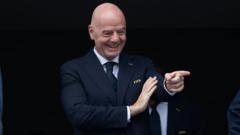
The European Backlash Against Infantino's Trump Intervention
The Infantino Trump intervention has sparked considerable controversy across European football circles, yet observers believe this diplomatic incident is unlikely to unseat FIFA's leader after a decade of leadership. Gianni Infantino, who has consolidated significant control during his tenure as FIFA president, continues to demonstrate remarkable resilience despite mounting criticism from established football federations.
The current storm surrounding Infantino's approach to the Trump matter reveals the persistent tensions between FIFA's global governance ambitions and the traditional power centers of European football. However, political analysts specializing in sports administration suggest that the Infantino Trump intervention, while diplomatically contentious, lacks the organizational framework necessary to mobilize a genuine challenge to his presidency.
Decoding the Balogun Controversy Connection
The Folarin Balogun controversy emerged as a focal point in discussions about Infantino's decision-making philosophy and his willingness to intervene in sensitive matters. This incident, involving the English footballer's international eligibility determination, highlighted divisions within FIFA's organizational structure and raised questions about consistent application of regulations.
Many observers connected the Balogun situation directly to broader concerns about how Infantino exercises presidential authority. The controversy demonstrated that FIFA's interventionist stance, when applied to high-profile player decisions, could generate substantial opposition from national federations protective of their autonomy and traditional prerogatives.
European Opposition: Organized but Insufficient
UEFA and its member federations have articulated clear opposition to recent FIFA decisions and the apparent shift toward increased presidential intervention. European football leaders fear that Infantino's approach, exemplified by his Trump intervention and handling of the Balogun matter, represents a dangerous centralization of power that undermines the traditional balance within football's governance structures.
Despite these reservations, European opposition remains fragmented across different confederations and individual federations with competing interests. The United States, emerging markets in Asia, and Africa continue supporting Infantino's vision for FIFA modernization, which somewhat counterbalances European criticism. This global coalition effectively prevents unified resistance to the FIFA president's authority.
Infantino's Strategic Positioning Remains Strong
After ten years as FIFA president, Infantino has established institutional mechanisms that reinforce his authority and marginalize potential challengers. His control over the FIFA Council, coupled with relationships cultivated across multiple continents, creates a structural advantage that European federations struggle to overcome through opposition alone.
The Trump intervention, regardless of its controversial nature, reflects Infantino's willingness to engage with powerful political figures on an international stage. This approach, while criticized by some European administrators, reinforces his image as a transformational leader capable of navigating complex geopolitical relationships. Supporters argue that such diplomatic engagement enhances FIFA's status and negotiating position globally.
The Resilience of Institutional Power
Questions about whether recent controversies might tip the balance against Infantino miss the fundamental reality of FIFA's power dynamics. The president commands considerable institutional resources, including financial reserves, appointment authority over key committees, and direct influence over continental representatives beyond Europe.
The Balogun controversy, while significant within English football circles, failed to generate the sustained organizational momentum necessary for meaningful challenges to presidential authority. Similarly, European backlash over the Trump intervention, though vociferous in diplomatic circles, lacks structural mechanisms to translate criticism into institutional action against Infantino.
Looking Forward: Stability Despite Friction
European football's relationship with FIFA leadership will likely remain characterized by periodic friction and formal opposition without fundamental institutional change. Infantino appears positioned to weather the current storm regarding his Trump intervention and other controversial decisions, maintaining his presidency despite significant criticism from traditional football power centers.
The political math of FIFA leadership essentially guarantees Infantino's continued dominance unless circumstances change dramatically. Absent organized opposition from multiple continents working in concert—a scenario unlikely given diverse global interests—the FIFA president's position remains fundamentally secure regardless of European objections.


