
Infantino Critics Demand Resignation Amid FIFA Non-Cooperation Threats
Growing Opposition Against FIFA Leadership
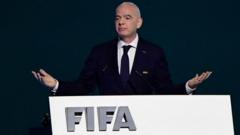
The position of FIFA President Gianni Infantino faces unprecedented scrutiny as influential critics within international football circles threaten coordinated non-cooperation with the governing body. These escalating tensions signal a deepening divide among key stakeholders who are demanding the resignation of the controversial leader.
Threats of Non-Cooperation from Senior Officials
According to authoritative sources within UEFA, senior football officials are preparing to withdraw their collaborative support unless Gianni Infantino steps down from his role. The non-cooperation strategy represents a significant escalation in the ongoing conflict surrounding FIFA's leadership and internal governance structures.
The threats come as dissatisfaction with Infantino's management style and controversial decisions continues to mount among confederation representatives and administrative personnel. This coordinated pressure campaign demonstrates the extent of displeasure with the current direction of the international football organization.
Key Issues Driving the Opposition Movement
The resistance to Infantino's continued leadership stems from various administrative and procedural disagreements that have accumulated over his tenure. Critics argue that his governance approach has created unnecessary friction between FIFA and its member confederations, particularly within European football circles represented by UEFA.
Senior UEFA representatives have indicated that the non-cooperation approach would affect multiple operational areas, including committee participation, strategic initiatives, and organizational decision-making processes. This potential withdrawal of support could significantly impact FIFA's ability to function effectively across various jurisdictions and administrative functions.
Scope and Implications of Threatened Actions
The specific dimensions of the threatened non-cooperation remain partially undetermined, though sources suggest it could encompass several critical areas. Implementation would likely affect FIFA's regulatory committees, competition organizing bodies, and collaborative governance frameworks that depend on international confederate participation.
Should the threats materialize, the impact on FIFA operations would be substantial. The organization relies heavily on voluntary cooperation from member confederations to maintain its institutional authority and implement global football policies. A coordinated withdrawal of support from UEFA members would create unprecedented operational challenges.
FIFA President's Current Position
Gianni Infantino has not publicly responded to these latest assertions regarding his potential resignation. The FIFA president has previously defended his administrative record and implementation of various reforms within the international football system.
His supporters argue that he has modernized FIFA's operations and successfully navigated complex international negotiations regarding tournament scheduling and organizational structure. However, critics contend that these initiatives have been pursued without adequate consultation with established confederations and member organizations.
Broader Context of Internal Conflict
This escalation represents the most serious challenge to Infantino's leadership within recent years. The opposition movement suggests fundamental disagreements about the strategic direction, governance standards, and operational transparency of world football's governing institution.
European football leaders have emerged as particularly vocal critics, suggesting that regional differences regarding FIFA's organizational priorities have intensified. These tensions reflect broader debates about how international sports governance should balance commercial interests with traditional administrative principles and stakeholder inclusion.
Potential Pathways Forward
Resolution of this standoff appears unlikely without significant negotiations and potential institutional reform. The involved parties face pressure to engage in dialogue that addresses the core concerns driving the opposition movement against Infantino's continued leadership.
The situation remains fluid, with developments expected to unfold across multiple governance channels within international football's administrative structure. Stakeholders continue monitoring the situation as it evolves, anticipating future announcements regarding FIFA's direction and leadership continuity.


