
Hospital Fire Kills 14 Infants: Locked Door Controversy Emerges in Pakistan
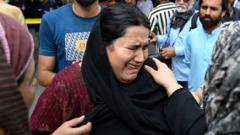
Devastating Hospital Fire Claims 14 Lives in Pakistan
A tragic fire at a hospital in Pakistan has resulted in the deaths of 14 infants, raising serious questions about safety measures and emergency protocols at the medical facility. The hospital fire Pakistan babies incident has sparked widespread concern regarding protective measures in pediatric wards and the accessibility of emergency exits during crisis situations.
Door Access and Security Dispute
Witnesses present during the emergency have reported conflicting accounts regarding access to the affected ward. According to eyewitness testimonies gathered at the scene, the ward door was allegedly locked during the time of the fire, potentially hindering evacuation efforts and emergency response operations. These accounts have raised alarming questions about how security measures may have compromised the safety of vulnerable newborns.
However, hospital administrators have contested these claims, providing a different narrative of the events that unfolded. The hospital tells the BBC the ward door was not locked but manned with security guards specifically positioned to protect the babies. Officials assert that trained security personnel were stationed at the entrance to monitor access and ensure the safety of infants in the facility.
Hospital's Safety Defense
The medical institution has emphasized that their approach to security was designed with the infants' welfare as the primary concern. Rather than physical barriers, the hospital maintains that human supervision was the chosen method to balance safety with emergency accessibility. Hospital officials argue that trained security staff were capable of responding quickly to emergency situations and facilitating rapid evacuation when necessary.
This discrepancy between witness accounts and hospital statements represents a critical point of investigation. Authorities investigating the hospital fire Pakistan babies tragedy must determine whether security measures were adequately implemented and if they complied with international standards for pediatric facility safety.
Questions About Emergency Response
The incident has prompted broader discussions about emergency preparedness in healthcare facilities. Medical experts and safety officials are now examining whether adequate protocols were in place for rapid evacuation during fire emergencies. The response time of both security personnel and emergency services is under scrutiny as investigators seek to understand how the fire spread so rapidly through the ward.
Parents and relatives of the affected infants have demanded transparency regarding the exact circumstances of the fire and the measures that were taken to prevent loss of life. The emotional devastation experienced by families has intensified calls for comprehensive safety reviews across all pediatric care units in the region.
Broader Implications for Healthcare Safety
This tragedy has exposed potential vulnerabilities in hospital safety infrastructure, particularly concerning the balance between security and emergency accessibility. The hospital fire Pakistan babies incident serves as a critical reminder that safety protocols must prioritize rapid evacuation capabilities while maintaining appropriate security measures.
Healthcare facilities face the complex challenge of protecting vulnerable patients while ensuring that emergency exits remain accessible. Modern fire safety standards typically require that security measures do not impede evacuation routes or the swift movement of patients during emergencies.
Investigation and Accountability
Authorities have launched a thorough investigation into the cause of the fire and the circumstances surrounding the deaths. This inquiry will examine all aspects of the hospital's safety procedures, including door access mechanisms, alarm systems, fire suppression equipment, and staff training protocols.
The outcome of this investigation may lead to significant changes in how Pakistani hospitals manage security and emergency preparedness in pediatric wards. Regulatory bodies are likely to issue updated guidelines ensuring that future tragedies of this magnitude can be prevented.
Moving Forward
As the community grieves the loss of 14 innocent lives, the hospital fire Pakistan babies incident will undoubtedly influence policy decisions at the national level. Healthcare administrators, policymakers, and safety experts must collaborate to establish more robust standards that protect both the security and the emergency accessibility of all patient care areas.
The tragic loss highlights the critical importance of comprehensive safety audits, regular staff training on emergency procedures, and the implementation of modern fire detection and suppression systems in all medical facilities caring for vulnerable populations.


