High Court Overturns Drumcree March Ban, Reigniting N. Ireland Tensions
Drumcree Ruling Reignites Historic Sectarian Tensions
A landmark High Court decision has overturned restrictions on an Orange Order march, reviving longstanding disputes over access to Garvaghy Road and reigniting concerns about sectarian confrontation in Northern Ireland. The Drumcree ruling has shattered the fragile stability that has characterized the region for the past two decades, threatening to reopen wounds from decades of religious and political strife.
The controversial court judgment permits the controversial parade to proceed along a contested route near Portadown in County Armagh, marking a significant reversal in judicial precedent surrounding this historically volatile marching season flashpoint.
A Region's Journey Toward Peace
The Drumcree crisis, once the most incendiary symbol of Northern Ireland's sectarian divisions, had gradually faded into relative obscurity following years of careful conflict management and political negotiation. What was once an annual trigger for pitched street battles between Orangemen, nationalist residents, and police forces has been replaced by a precarious but functional truce.
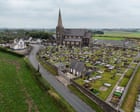
For approximately twenty years, the parish church near Portadown served as a focal point for intense confrontations that extended far beyond the immediate marching dispute. The violent clashes surrounding Drumcree historically ignited murderous sectarian violence across the broader region, creating cycles of retaliation and deepening communal divisions.
The March Restriction Framework
Previous judicial decisions had established restrictions designed to minimize community tensions and prevent the recurrence of violence associated with Orange Order parades in contested areas. These limitations represented a careful balance between protecting freedom of expression and assembly with the imperative to preserve public safety and communal peace.
The latest High Court intervention has fundamentally altered this equilibrium. By quashing the restrictions that had governed Drumcree marching for years, the court has effectively reopened a file many believed had been permanently closed.
Political Ramifications and Community Concerns
The Drumcree ruling has immediately sparked intense political debate among Northern Ireland's competing parties and community representatives. Unionist politicians have hailed the decision as a vindication of marching traditions and cultural rights, while nationalist representatives express profound alarm about the potential for renewed violence and sectarian escalation.
Community leaders and peace-building organizations have warned that reinvigorating the Drumcree dispute could undermine the fragile social cohesion that has been painstakingly constructed over two decades. The symbolic and practical significance of the Garvaghy Road route extends far beyond the immediate geographical area, representing broader questions about identity, cultural expression, and community representation in post-conflict Northern Ireland.
Historical Context of Drumcree Violence
The Drumcree crisis did not emerge spontaneously. The Orange Order's assertion of marching rights along Garvaghy Road, a predominantly nationalist residential area, crystallized deep tensions within Northern Ireland society. The resulting confrontations in the mid-1990s and beyond became emblematic of the province's struggle to accommodate competing cultural identities and political aspirations.
The violence triggered by Drumcree disputes extended throughout Northern Ireland, affecting communities hundreds of miles from the immediate marching route. Sectarian murders, bombings, and street violence claimed lives and devastated families across the region during periods of heightened Drumcree tensions.
The Current Judicial Decision
Legal analysts suggest that the High Court's decision reflects shifting interpretations of human rights law and freedom of assembly within the UK and Northern Ireland context. The court has prioritized the Orange Order's constitutional rights to parade, potentially at the expense of considerations about community safety and sectarian reconciliation.
This judicial recalibration arrives during a period of broader instability in Northern Ireland politics, including Brexit-related tensions and ongoing debates about constitutional arrangements and community governance structures.
Looking Forward: Implications for Northern Ireland
The Drumcree ruling raises significant questions about the future trajectory of Northern Ireland's peace process and social stability. Stakeholders across the political and community spectrum acknowledge that the reactivation of historical marching disputes threatens the delicate mechanisms that have prevented escalation into systematic violence.
Government officials and international observers will be closely monitoring how this decision is implemented and how communities respond during the approaching marching season. The manner in which relevant authorities manage the contentious Drumcree march will demonstrate whether Northern Ireland has developed sufficient institutional and social resilience to accommodate competing rights while preserving communal peace.