
Heatwave Vegetables: Unusual Shapes Becoming New Normal
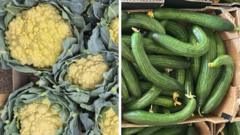
Understanding Heatwave Vegetables and Market Trends
Heatwave vegetables are increasingly becoming a common sight in British supermarkets as extreme weather conditions reshape agricultural production across the United Kingdom. Rising temperatures during critical growing seasons are fundamentally altering how crops develop, resulting in distinctive appearances that differ from conventional produce standards.
The phenomenon of heatwave vegetables extends beyond simple aesthetic changes. British shoppers are now encountering cauliflowers with unusual tan coloring, potatoes with prominent knobbles, and various other crops displaying characteristics previously considered commercially undesirable. These transformations represent a significant shift in what consumers should expect to find on store shelves in coming years.
The Science Behind Wonky Produce Formation
Climate scientists and agricultural experts attribute the rise of wonky vegetables directly to repeated heatwave events affecting Britain. When temperatures soar beyond typical ranges during crucial development phases, plants experience stress that manifests in visible physical changes. Unlike traditional farming practices that selected for uniformity, heatwave vegetables develop naturally under these elevated temperature conditions.
Cauliflower crops exposed to intense sunlight often develop darker pigmentation, ranging from light tan to deep bronze hues. Meanwhile, potato varieties subjected to fluctuating moisture and heat stress produce tubers with pronounced, irregular surface patterns. These variations occur without any deliberate human intervention—they emerge purely from environmental pressures that modern agriculture increasingly must navigate.
Consumer Acceptance and Market Impact
Initially, retailers hesitated to stock wonky vegetables, fearing customer rejection based on appearance alone. However, consumer attitudes are shifting dramatically. Many British shoppers now recognize that imperfect-looking heatwave vegetables represent authentic responses to climate challenges rather than farming failures. This cultural shift opens new possibilities for sustainable food production.
The acceptance of unusual shaped vegetables addresses longstanding wastage problems in the agricultural sector. Farmers previously discarded perfectly nutritious produce simply because it failed to meet arbitrary appearance standards. By normalizing wonky vegetables in mainstream retail environments, the UK can significantly reduce food waste while maintaining nutritional value and supporting farmers adapting to climate realities.
Agricultural Adaptations to Changing Climate
British farmers are implementing innovative strategies to manage heatwave vegetables effectively. Some growers are selecting crop varieties specifically bred to tolerate heat stress while maintaining nutritional profiles. Others are adjusting planting schedules to avoid peak temperature periods whenever possible. These proactive measures reflect agriculture's ongoing evolution in response to climate instability.
The emergence of heatwave vegetables also highlights broader concerns about food security in Britain. As extreme weather becomes more frequent and intense, traditional growing regions may require complete reassessment. Some agricultural experts propose diversifying crops to include heat-resistant varieties currently uncommon in UK cultivation, ensuring stable food supplies despite environmental challenges.
Nutritional Value and Quality Assessment
A crucial misconception about wonky vegetables concerns their nutritional content. Despite unusual appearances, heatwave vegetables retain—and sometimes exceed—the nutritional benefits of conventionally shaped produce. The discoloration and irregular growth patterns do not compromise vitamins, minerals, or other essential compounds that make vegetables valuable components of balanced diets.
Agricultural testing confirms that unusual shaped vegetables meet all food safety and quality standards required by British regulatory agencies. The visual differences result purely from environmental stress during growth, not from spoilage, contamination, or degradation processes. This distinction matters significantly for consumer confidence and public health messaging.
Future Expectations for British Food Markets
Industry analysts predict that wonky vegetables will become increasingly normalized throughout UK food retail sectors. Rather than treating heatwave vegetables as temporary anomalies, supermarkets are developing dedicated marketing strategies emphasizing their authenticity and climate-conscious significance. This positioning appeals to environmentally aware consumers while supporting domestic agriculture.
The long-term trajectory suggests that unusual shaped vegetables will fundamentally redefine consumer expectations around produce appearance. Future generations may view perfectly uniform vegetables as the anomaly, recognizing naturally varied wonky vegetables as the authentic norm. This perspective shift represents both practical adaptation and philosophical acceptance of climate-driven agricultural transformation.
Supporting British Farmers Through Market Changes
Retailers and consumers play vital roles in supporting farmers managing heatwave vegetables effectively. By purchasing and normalizing wonky produce, shoppers actively encourage agricultural resilience while reducing environmental pressures associated with wasteful food systems. This collective action strengthens domestic farming communities facing unprecedented climatic challenges.
Education campaigns promoting awareness about heatwave vegetables and their benefits continue expanding across Britain. Media coverage, retail signage, and consumer communications work together to reshape perceptions about what constitutes acceptable produce quality. These efforts ensure that economic sustainability accompanies environmental and nutritional considerations throughout British food supply chains.


