Healey Raises Bank and Landlord Taxes for £100 Winter Aid
Chancellor Healey Announces Major Tax Increases in Budget 2026
Chancellor John Healey has unveiled significant fiscal measures in his first budget presentation, with a primary focus on addressing the persistent cost of living crisis affecting millions of British families. The Healey budget 2026 introduces substantial tax increases on both financial institutions and rental property owners, representing a bold shift in government fiscal policy aimed at supporting vulnerable households through the challenging winter months ahead.
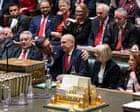
In a low-key parliamentary address, Healey attributed the challenging economic landscape to external global factors, particularly highlighting the impact of international geopolitical tensions on energy markets. The chancellor's speech emphasized how ongoing global economic difficulties have contributed significantly to elevated energy costs, which continue to strain household budgets across the nation.
Winter Support Package Worth £100 Per Household
The centrepiece of the Healey budget 2026 is a substantial winter assistance programme designed to provide immediate relief to struggling families. The government will distribute £100 payments to approximately 20 million households, targeting those most severely affected by rising living expenses and energy price volatility.
This direct cash injection represents a targeted response to what government officials describe as an extended cost of living crisis with no immediate resolution in sight. Official economic forecasts presented alongside the budget announcement suggest that inflationary pressures will persist throughout the foreseeable future, necessitating continued government intervention and support measures.
Bank Tax Measures and Financial Sector Contributions
A cornerstone of the government's revenue-raising strategy involves implementing new taxation on banking institutions. These measures are designed to ensure that financial sector profits contribute more substantially to public finances, particularly to fund social support programmes. The bank tax component of the Healey budget 2026 forms part of a broader policy framework aimed at ensuring larger corporations and financial entities bear a fairer share of fiscal responsibility.
Financial institutions have faced increasing scrutiny regarding their profit margins during periods of economic difficulty for consumers. The new taxation approach reflects government determination to redirect corporate earnings towards supporting households facing genuine hardship, creating a more equitable distribution of the fiscal burden.
Landlord Tax Implications and Property Market Changes
Alongside banking sector measures, the Healey budget 2026 introduces significant tax adjustments affecting landlords and rental property owners. These changes are intended to generate additional government revenue whilst also potentially influencing rental market dynamics and housing policy outcomes.
The landlord tax increases represent part of a comprehensive fiscal approach addressing multiple economic sectors. Property owners will face enhanced tax obligations, with revenue generated contributing to the winter support fund for households. This approach reflects broader policy objectives regarding wealth redistribution and support targeting those experiencing the most acute cost of living pressures.
Global Economic Factors and Energy Price Context
The chancellor's budget speech emphasized how international economic circumstances have shaped current policy decisions. Specifically, Healey highlighted ongoing tensions involving Iran, which have contributed to volatile energy markets and sustained pressure on oil and gas prices globally. These geopolitical factors have direct consequences for British consumers, driving up domestic energy bills and exacerbating cost of living challenges.
The persistence of these global economic storms suggests that cost of living difficulties will continue affecting households well into the future. This outlook informed the government's decision to implement sustained fiscal interventions rather than treating the current crisis as a temporary phenomenon requiring minimal policy response.
Broader Budget Strategy and Future Outlook
The Healey budget 2026 represents a comprehensive policy framework addressing multiple economic challenges simultaneously. Rather than pursuing dramatic or controversial fiscal measures, the chancellor opted for what observers characterize as a measured approach, focusing on targeted interventions addressing immediate household needs whilst generating revenue through corporate taxation.
The £100 winter handout programme, funded through bank and landlord tax increases, exemplifies this strategy of coupling relief measures with revenue generation from sectors deemed capable of contributing additional fiscal resources. Government projections suggest these measures will provide meaningful support to millions of British families during the difficult winter period whilst positioning public finances for medium-term sustainability.
As the cost of living crisis continues evolving, the government's budget response demonstrates commitment to maintaining support mechanisms for vulnerable populations. The fiscal measures announced by Chancellor Healey reflect an understanding that external economic pressures will persist, requiring sustained policy attention and financial intervention from central government authorities.