
Glacier Collapse Triggers Catastrophic Nepal-Tibet Flooding
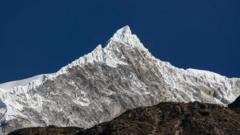
Glacier Collapse Likely Behind Nepal-Tibet Flooding Disaster
A significant glacier collapse has emerged as the primary cause of the devastating floods that struck the Nepal-Tibet border region, according to preliminary findings from international research teams. The incident underscores the escalating vulnerability of Himalayan ice formations to rapid environmental changes affecting mountain ecosystems across South Asia.
Initial Scientific Findings on the Glacier Collapse
Researchers conducting field investigations in the aftermath of the disaster have documented extensive evidence suggesting that the glacier collapse triggered a catastrophic chain of events. Scientists deployed to assess the damage have collected geological samples, photographic documentation, and eyewitness testimonies that collectively point to the ice structure failure as the initiating factor in the flooding sequence.
The research teams have noted that seismic activity, temperature fluctuations, and structural weakening of the ice mass likely contributed to the collapse. Advanced imaging technology has revealed dramatic changes in the glacier's topography, with visible fractures and displacement patterns consistent with a rapid disintegration event.
Himalayan Ice Melting and Climate Concerns
This incident highlights the broader issue of Himalayan ice deterioration occurring at unprecedented rates. Scientists have emphasized that the region's glaciers are experiencing accelerated melting patterns compared to previous decades, driven by rising atmospheric temperatures and changing precipitation patterns across the mountain range.
The Nepal-Tibet floods represent a tangible manifestation of these long-term climate trends. Researchers studying the Himalayan region have documented measurable reductions in glacier volume, shorter winter accumulation seasons, and increasingly erratic seasonal melt cycles that destabilize previously stable ice formations.
Implications for Regional Water Security
The Nepal-Tibet floods carry significant implications for water security and disaster preparedness in downstream communities. Rivers originating from Himalayan glaciers serve millions of people across Nepal, Tibet, and adjacent regions who depend on these water sources for drinking water, irrigation, and hydroelectric power generation.
When glacier collapse events occur, they release enormous volumes of water suddenly and unpredictably. This differs markedly from the gradual melt patterns that communities have historically adapted to through centuries of experience. The sudden discharge creates catastrophic flood conditions that overwhelm existing infrastructure and emergency response systems.
Accelerated Glacier Melting Trends
Scientists have identified glacier melting as an accelerating phenomenon throughout the Himalayan range. Comparative analysis of satellite imagery spanning multiple decades reveals consistent patterns of glacier retreat, particularly at lower elevations where temperature increases have the greatest impact.
The rate of ice loss has intensified notably over the past two decades. Research institutions monitoring glacier health report that some formations have lost twenty to thirty percent of their mass within recent years. This dramatic acceleration represents a significant departure from the relatively stable conditions that prevailed through much of the twentieth century.
Climate Change as Underlying Driver
The broader context of climate change provides essential perspective on the Nepal-Tibet flooding disaster. Global temperature increases have elevated average conditions throughout mountain regions, causing glaciers to exist in a state of perpetual disequilibrium where annual ice loss exceeds new accumulation.
Climate models project continued warming trends across the Himalayan region throughout coming decades. This trajectory suggests that glacier collapse events may occur with greater frequency as ice masses continue diminishing and destabilizing. Scientists warn that populations living in river valleys downstream of major glacier formations face escalating flood risks requiring enhanced monitoring and preparedness infrastructure.
Future Outlook and Preparedness Measures
Responding to these emerging threats, governments and international organizations have begun implementing enhanced monitoring systems for glacier stability and flood early warning networks. However, scientists stress that long-term solutions require addressing the fundamental drivers of Himalayan ice deterioration through global emissions reduction efforts.
The Nepal-Tibet flooding event serves as a stark reminder of the interconnected nature of climate systems and the concrete human consequences of environmental change in vulnerable mountain regions. Continued scientific investigation and international cooperation will be essential for understanding these phenomena and protecting communities facing this evolving risk landscape.


