
Germany Reconsiders Coal Power Amid Energy Crisis
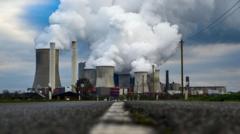
Germany Reconsidering Coal Power Strategy
Coal power in Germany is once again becoming a subject of serious policy debate as the nation grapples with unprecedented energy challenges. After decades of commitment to phasing out fossil fuels in favor of renewable energy sources, Germany's government is now examining whether maintaining or expanding coal-fired electricity generation could provide economic relief amid the current energy crisis.
The shift in perspective toward coal power reflects the dramatic surge in natural gas prices that has destabilized Europe's energy market. What was once considered a bygone fuel source for electricity generation is now being reevaluated as a potentially viable short-term solution to the continent's pressing power supply challenges.
The Rising Cost of Natural Gas and Its Impact
Natural gas, which Germany has increasingly relied upon as a bridge fuel during its transition away from nuclear and coal energy, has experienced extraordinary price escalation. These elevated costs have fundamentally altered the economic calculations that German policymakers use when evaluating different energy sources for power generation.
The surge in natural gas expenses has created significant financial strain on both industrial consumers and residential households throughout Germany. This economic pressure has prompted energy officials and political leaders to reassess their previous commitments to abandon coal power entirely. While natural gas was once viewed as a cleaner intermediate option, its current market pricing makes coal-fired electricity generation appear more economically attractive by comparison.
Previous Coal Phase-Out Commitments
Germany had established ambitious timelines for eliminating coal from its energy portfolio. The nation's "Energiewende" or energy transition represented one of Europe's most comprehensive efforts to shift away from fossil fuels toward renewable electricity sources. This strategic initiative included specific deadlines for coal plant closures and substantial investments in wind and solar infrastructure.
However, the practical implementation of these climate goals has encountered unexpected obstacles. The dependence on Russian natural gas supplies, combined with geopolitical tensions and supply disruptions, has created a complex situation where policymakers must balance long-term environmental objectives with immediate energy security and economic stability concerns.
Coal Power as a Pragmatic Alternative
From an operational perspective, coal power plants offer distinct advantages during periods of energy instability. These facilities can generate reliable baseload electricity consistently, unlike renewable sources that depend on weather conditions. Germany's existing coal infrastructure, while targeted for retirement, remains capable of rapid deployment if political decisions shift.
The reconsideration of coal power does not necessarily represent a complete abandonment of Germany's climate commitments. Instead, it reflects a pragmatic approach where policymakers are exploring temporary measures to stabilize energy supplies while longer-term renewable energy projects continue development. This strategy acknowledges the tension between immediate economic pressures and sustained environmental progress.
Energy Security and Strategic Considerations
Beyond economic factors, Germany's energy security has become a paramount concern. The reduction in natural gas imports from traditional suppliers has highlighted the risks of over-dependence on single sources for critical infrastructure. Diversifying electricity generation methods, even temporarily through coal power, provides strategic resilience.
Germany's electricity market must supply power to major industrial sectors, including automotive manufacturing, chemicals, and pharmaceuticals. These industries require stable, affordable energy access to maintain competitiveness. The energy crisis threatens these fundamental economic activities, creating political pressure to implement pragmatic solutions.
Future Implications for European Energy Policy
Germany's potential reconsideration of coal power carries implications far beyond its borders. As Europe's largest economy and a leader in climate policy, German energy decisions influence broader continental energy strategies. If Germany proceeds with extended coal power usage, this could reshape discussions about energy transition timelines across the European Union.
The situation demonstrates the complex interplay between environmental goals, economic realities, and geopolitical developments. Climate advocates and environmental organizations must contend with governments prioritizing immediate stability alongside their long-term sustainability objectives. This tension will likely define European energy policy discussions in coming years.
Conclusion
Coal power in Germany represents a potential contingency rather than a permanent policy reversal. While the nation may extend coal plant operations or delay scheduled closures, this decision emerges from crisis management rather than ideological shifts. As natural gas markets stabilize and renewable energy infrastructure expands, coal's role will likely diminish. Nevertheless, Germany's current evaluation of coal power illustrates how rapidly energy landscapes can shift when economic pressures mount and supply chains face disruption.


