
Garbage Heap Disaster in Guinea Capital Kills Thirty
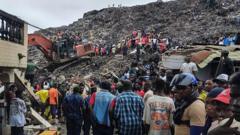
Major Waste Site Collapse Claims Thirty Lives
A catastrophic garbage landfill collapse has devastated the capital of Guinea, with authorities confirming that a massive mound of refuse completely buried multiple residential homes in the densely populated area. The incident represents one of the most serious garbage landfill collapse disasters to affect the nation in recent years, prompting immediate government response and raising critical questions about waste management infrastructure across the region.
Scale of the Disaster
According to official statements from the government, the rubbish heap failure resulted in the complete burial of several dwellings located adjacent to the major waste disposal facility. Rescue operations commenced immediately following the incident, as first responders worked to locate survivors and assess the full extent of the damage caused by the cascading refuse. The preliminary death toll stands at thirty individuals, though authorities continue their investigation to confirm the final casualty figures.
Government Response and Investigation
Officials have launched a comprehensive inquiry into the circumstances surrounding the garbage landfill collapse. Preliminary findings suggest that inadequate infrastructure maintenance and poor waste management practices may have contributed to the structural failure of the landfill. The government has pledged to conduct a thorough examination of safety protocols at all major waste sites throughout the nation to prevent similar disasters in the future.
Emergency Relief Efforts
Rescue teams deployed to the scene have been working tirelessly to extract victims from the rubble and provide immediate medical assistance to those injured in the catastrophe. Local authorities have established emergency shelters for displaced families whose homes were destroyed or rendered uninhabitable by the refuse mound collapse. Relief organizations and international aid agencies have been notified and are coordinating assistance efforts with national authorities.
Environmental and Public Health Concerns
Beyond the immediate human tragedy, the garbage landfill collapse raises significant concerns regarding environmental contamination and public health risks. The rupture of the waste deposit has exposed hazardous materials to surrounding residential areas, creating potential long-term health hazards for the local population. Environmental specialists have been brought in to assess contamination levels and recommend remediation strategies for affected neighborhoods.
Infrastructure Challenges in Waste Management
The incident highlights ongoing challenges in waste management systems across Guinea's major urban centers. The capital city, like many rapidly growing metropolitan areas in developing nations, has struggled to maintain adequate sanitation infrastructure capable of safely handling the volume of refuse generated by its expanding population. This garbage landfill collapse serves as a stark reminder of the urgency required to upgrade waste disposal facilities and implement stricter safety standards.
Future Prevention Measures
Government officials have announced plans to implement comprehensive safety upgrades at all waste management facilities operating within the country. These measures will include structural reinforcements, improved drainage systems, and more rigorous monitoring protocols. Additionally, authorities are exploring alternative waste disposal methods and encouraging investment in modern recycling and waste-to-energy technologies that could reduce the burden on traditional landfill operations.
The tragic garbage landfill collapse that claimed thirty lives serves as a critical wake-up call for policymakers and urban planners throughout the region, underscoring the need for sustained investment in infrastructure and environmental protection services.


