
France Records Alarming Drowning Deaths During Severe European Heatwave
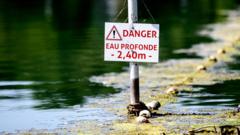
Drowning Deaths France Heatwave Crisis Escalates
Drowning deaths in France have reached alarming levels as the nation grapples with an unprecedented heatwave sweeping across Europe. Prime Minister Sébastien Lecornu confirmed that forty individuals have lost their lives through drowning-related incidents since last Thursday, marking a critical public health emergency during the continent's peak temperature surge.
Scale of the Drowning Emergency
The mounting toll of drowning deaths in France reflects the dangerous conditions created by extreme heat waves affecting entire regions. The sharp increase in fatalities over a seven-day period has prompted urgent government intervention and heightened awareness campaigns across French municipalities. Officials attribute the surge to an influx of citizens seeking relief from scorching temperatures by visiting beaches, lakes, and rivers without adequate safety precautions.
Contributing Factors to Rising Casualties
The combination of oppressive heat and water-related activities has created a perfect storm for drowning incidents. Many individuals underestimate water hazards during heatwave periods, leading to impulsive swimming decisions in potentially dangerous conditions. Strong currents, unexpected depth changes, and physical exhaustion exacerbated by heat exposure significantly increase vulnerability to drowning accidents.
Regional Impact Across Europe
France represents just one nation affected by this broader European crisis. The heatwave blankets the continent, forcing citizens across multiple countries to seek alternative cooling methods. Coastal regions and inland water bodies have experienced unprecedented visitor numbers, straining rescue services and lifeguard capacity beyond normal operational limits.
Government Response and Public Safety Measures
Prime Minister Lecornu's acknowledgment of the drowning deaths in France signals government recognition of the severity facing the population. French authorities have implemented emergency protocols to increase lifeguard presence at popular swimming locations and enhance public communication regarding water safety during extreme heat events. Municipal governments coordinate with emergency services to deploy additional resources where drowning risks remain highest.
Safety Guidelines During Heatwaves
Health officials emphasize critical precautions citizens should observe when seeking water-based relief. Swimming alone remains strictly discouraged, particularly during peak heat hours when physical weakness increases vulnerability. Designated supervised swimming areas provide enhanced safety infrastructure, while monitoring conditions for dangerous currents or temperature fluctuations becomes essential.
Broader European Heatwave Context
The European heatwave represents a significant meteorological event impacting multiple nations simultaneously. Temperatures soar well above seasonal averages, creating public health challenges beyond drowning incidents. Hospital admissions for heat-related illnesses surge alongside dehydration cases, while vulnerable populations including elderly citizens and those with chronic conditions face intensified health risks.
The drowning deaths in France underscore how extreme weather creates cascading consequences affecting public safety infrastructure and emergency response systems. Water bodies that typically provide recreational relief transform into hazardous environments when combined with heat-induced impaired judgment and physical vulnerability.
Future Prevention and Preparedness
The escalating drowning deaths in France demand comprehensive preventive strategies for future heatwave events. Enhanced lifeguard training, improved water safety signage, and mandatory supervision policies at public swimming facilities require implementation across European nations. Public education campaigns specifically addressing heatwave dangers prove essential for reducing preventable fatalities.
Water safety organizations are developing specialized protocols addressing the intersection of extreme heat and recreational water activities. These initiatives aim to protect citizens seeking necessary relief during dangerous weather conditions while maintaining critical safety standards.


