
Food Tracking Apps: Do They Really Improve Your Eating Habits?
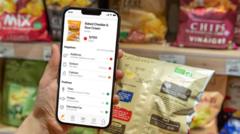
Understanding Food Tracking Apps and Their Growing Popularity
Food tracking apps have emerged as one of the most widely adopted digital health tools in recent years, with millions of users worldwide incorporating them into their daily routines. These applications promise to revolutionize how individuals monitor their nutritional intake and make informed dietary choices. But the question remains: do food tracking apps actually deliver on their promise to transform eating habits and promote lasting wellness? Understanding this relationship requires examining both the potential benefits and limitations of these technological solutions.
How Food Tracking Apps Function
Modern food tracking apps operate through comprehensive databases containing nutritional information for thousands of food items. Users typically log their meals throughout the day, receiving real-time feedback about calorie intake, macronutrient distribution, and micronutrient consumption. These applications employ machine learning algorithms to identify patterns in user behavior and provide personalized recommendations based on established dietary guidelines. The accessibility and convenience of having such detailed nutritional data at your fingertips have contributed significantly to their widespread adoption among health-conscious individuals and those managing specific medical conditions.
The Positive Impact on Dietary Behavior
Research indicates that consistent use of food tracking apps can generate measurable improvements in eating habits for certain user populations. The act of logging meals creates accountability and heightens awareness regarding portion sizes and ingredient choices. Individuals who engage regularly with food tracking apps often report developing a better understanding of their nutritional consumption patterns and identifying problematic eating behaviors that would otherwise remain unnoticed. This increased self-awareness frequently translates into more deliberate food selections and reduced consumption of processed items high in sodium, sugar, and unhealthy fats. Furthermore, tracking applications provide visual representations of progress toward dietary goals, which many users find motivating and reinforcing.
Weight Management and Goal Achievement
For individuals specifically focused on weight management, food tracking apps have demonstrated effectiveness as supplementary tools. When combined with physical activity monitoring and behavioral support, these applications can facilitate sustainable weight loss and help users establish healthier long-term eating patterns. The data-driven approach enables users to identify which dietary modifications yield the most significant results for their particular physiology and lifestyle circumstances.
Limitations and Potential Drawbacks
Despite their advantages, food tracking apps present significant challenges that warrant careful consideration. Nutrition databases often contain inaccuracies and incomplete information, particularly regarding homemade meals or specialty food items from regional cuisines. Users may struggle with accurate portion size estimation, leading to tracking errors that undermine the reliability of nutritional data. Additionally, the time commitment required for consistent logging can become burdensome for some individuals, resulting in abandoned tracking efforts after initial enthusiasm wanes.
Mental Health Considerations
Mental health professionals have raised important concerns about the psychological impact of intensive food tracking. Some individuals develop obsessive relationships with logging applications, leading to orthorexia or other disordered eating patterns. The constant numerical focus on calories and macronutrients can foster unhealthy anxiety around food choices and body image. Experts recommend that vulnerable individuals, particularly those with histories of eating disorders, exercise caution when adopting food tracking apps as their nutritional monitoring approach.
The Role of Behavioral Modification
Successful dietary transformation extends far beyond mere data collection. Food tracking apps function most effectively when users combine them with genuine behavioral modification strategies and nutritional education. Research demonstrates that the awareness component of food tracking—rather than the technology itself—provides the greatest benefit. Individuals who develop a conscious relationship with their food choices and understand the underlying principles of balanced nutrition achieve more sustainable results than those who rely purely on algorithmic recommendations without deeper engagement.
Individual Factors Affecting App Effectiveness
The effectiveness of food tracking apps varies considerably among different user populations. Health professionals, dietitians, and fitness enthusiasts typically experience greater success because they possess foundational nutritional knowledge that enhances their interpretation of tracked data. Conversely, individuals without prior nutritional education may find the interface confusing or the information overwhelming. Motivation levels, lifestyle flexibility, and personal commitment to dietary change all significantly influence whether food tracking apps prove beneficial for sustained eating habit improvement.
Expert Recommendations and Best Practices
Nutritionists increasingly recommend treating food tracking apps as one component of a comprehensive health strategy rather than standalone solutions. When integrated with professional guidance from registered dietitians, these tools can provide valuable insights into individual dietary patterns and facilitate meaningful conversations about nutrition optimization. Successful implementation typically involves setting realistic goals, using apps as learning instruments rather than rigid enforcement mechanisms, and periodically reassessing whether continued tracking remains beneficial or becomes counterproductive. Users achieve superior results when they combine food tracking apps with consistent physical activity, adequate sleep, stress management, and regular health professional consultations.
Conclusion: Weighing Benefits Against Challenges
Food tracking apps represent valuable technology for individuals genuinely committed to understanding and improving their dietary habits. However, they are most effective when viewed as educational tools facilitating awareness rather than prescriptive solutions guaranteeing health transformation. The success of food tracking apps ultimately depends upon user motivation, mental health considerations, and integration with broader lifestyle changes. For some individuals, these applications become catalysts for meaningful dietary improvements and long-term wellness gains. For others, alternative approaches to nutritional monitoring may prove more appropriate and sustainable. Consulting with healthcare providers or registered dietitians can help determine whether food tracking apps align with your specific health objectives and personal circumstances.


