Farage Resignation Sparks Clacton Byelection as Major Parties Withdraw
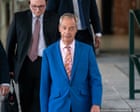
Farage Resignation Byelection Shakes British Politics
Reform UK leader Nigel Farage has announced his intention to resign as Member of Parliament for Clacton, triggering a byelection that has prompted an unprecedented response from the country's three largest political parties. The Farage resignation byelection announcement, which he characterized as giving constituents the opportunity to judge his conduct, has been met with criticism from opposition figures who branded the move a "desperate stunt" designed to reset his political narrative.
Despite stepping down from his seat, Farage has indicated he intends to stand again immediately in the resulting byelection, meaning constituents will have the chance to determine whether he should continue representing them in Parliament. This strategic maneuver marks a significant moment in British electoral politics, as it remains unusual for sitting MPs to voluntarily vacate their seats under such circumstances.
Major Political Parties Take Unprecedented Stance
In a remarkable collective decision, Labour, the Conservative Party, and the Liberal Democrats have all announced they will not field candidates in the Clacton byelection. This coordinated withdrawal from the contest represents an extraordinary moment in parliamentary politics, as the three parties have effectively ceded the battleground to Reform UK.
The decision by mainstream political parties to abstain from the byelection suggests deep concerns about the implications of contesting against Farage in his stronghold constituency. Clacton has emerged as a stronghold for Reform UK, making any challenge from traditional parties potentially fruitless and resource-intensive.
Questions Over Standards and Gifts
The parliamentary commissioner for standards has become a focal point in discussions surrounding Farage's conduct. When questioned about potential investigations into gifts received from George Cottrell, Conservative Party leadership declined to specify whether such scrutiny was warranted, instead deferring the matter to the commissioner's independent judgment.
This aspect of the Farage resignation byelection controversy highlights ongoing concerns about transparency in political donations and the acceptance of gifts by elected representatives. The involvement of external parties in gift-giving relationships continues to attract scrutiny from oversight bodies tasked with maintaining parliamentary standards.
Press Freedom Concerns in Political Debate
During parliamentary exchanges, Farage has made comments that appear to hint at potential reforms to press regulation, drawing sharp criticism from political opponents. Conservative figures have responded by defending the independence of the British press, arguing that governmental interference in media operations would represent a dangerous departure from established democratic principles.
One senior Conservative responded to suggestions about press regulation by stating: "For all of the criticism and the attacks, and I would even say abuse that I've got from the press, I've never once recommended curbing our free press. I think this is one of the amazing things about this country. I would be very worried about a Reform government using government power to control the press. I don't think that that would be right."
These comments underscore broader anxieties within the political establishment about Reform UK's intentions regarding constitutional matters and traditional freedoms.
The Strategic Implications of the Farage Resignation Byelection
The Farage resignation byelection strategy appears designed to provide him with a fresh electoral mandate while simultaneously testing public opinion on his leadership and the direction of Reform UK. By voluntarily stepping down and immediately seeking reelection, Farage positions himself as confident in his constituency support while also creating an opportunity to reset discussions around his political standing.
The unprecedented decision by Labour, the Conservatives, and the Liberal Democrats to abstain from the contest suggests they view contesting in Clacton as strategically unwise, either because they acknowledge Farage's dominance in the seat or because they wish to avoid amplifying the byelection narrative through their participation.
This development marks a pivotal moment in British electoral politics, with the Farage resignation byelection potentially reshaping perceptions of Reform UK's influence on the political landscape and the traditional parties' ability to challenge populist movements in their areas of strength.