
Fake Cancer Cures: Dangerous Antiparasitic Drugs Sold as Tumor Treatments
Dangerous Deception in Cancer Treatment Market
A comprehensive BBC investigation has uncovered an alarming cancer treatment fraud scheme in which pharmaceutical products never intended for oncology purposes are being marketed to desperately ill patients as potential tumor remedies. These counterfeit therapeutic claims represent a serious public health threat, particularly targeting vulnerable individuals battling terminal diagnoses who are actively seeking alternative solutions.
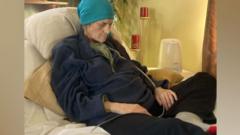
The investigation reveals that individuals with no medical qualifications are aggressively promoting antiparasitic and dermatological medications to cancer patients, falsely claiming these substances possess tumor-shrinking properties. One documented case involved a terminally-ill patient who was approached by an individual selling stair lift equipment, who simultaneously pitched these fraudulent medications as potential cancer treatments—illustrating the brazen nature of this deceptive operation.
How the Scam Operates
The fake cancer cures scheme leverages the desperation of terminal patients and their families who are exhausted from conventional treatment options or facing limited prognoses. Perpetrators operate across multiple channels, frequently using informal networks and personal connections to reach vulnerable populations. These bad actors employ pseudo-scientific language and anecdotal testimonies to construct false credibility around medications that have absolutely no proven efficacy against cancer.
The medications being sold include deworming agents typically used for parasitic infections and topical treatments designed for scabies management. None of these substances have undergone clinical trials demonstrating anti-tumor activity, nor do they possess regulatory approval for cancer applications. Despite this, they are presented with confidence and authority to patients desperately grasping for any potential treatment option.
The Human Cost of Medical Fraud
Terminally-ill patients represent one of the most vulnerable patient populations, experiencing physical deterioration, emotional distress, and psychological desperation. This antiparasitic drugs scam specifically exploits these human vulnerabilities. Patients who purchase these fraudulent treatments risk experiencing several serious consequences. First, they may delay or abandon legitimate medical interventions in favor of unproven substances. Second, they waste scarce financial resources during periods of financial vulnerability. Third, they expose themselves to unknown side effects and potential toxicological complications from medications not formulated for human systemic use in oncological contexts.
Financial Exploitation Component
Beyond the health risks, this scheme constitutes significant financial exploitation. The perpetrators typically charge substantial sums for these inexpensive medications, representing substantial profit margins. Families already burdened by medical expenses find themselves victimized twice—first by terminal illness itself, then by predatory individuals exploiting their vulnerability and hope.
Regulatory and Law Enforcement Response
The BBC's medical fraud investigation shines critical light on enforcement gaps that permit such schemes to operate. Regulatory bodies face challenges in identifying and prosecuting these operations when they occur through informal networks rather than established pharmaceutical distribution channels. The investigation suggests that current monitoring mechanisms may be insufficient to detect and prevent this type of deceptive marketing targeting terminally ill patients through non-traditional sales channels.
Law enforcement agencies and pharmaceutical regulatory authorities have been alerted to these findings. However, the decentralized nature of the fraud—occurring through individual actors rather than organized commercial entities—complicates enforcement efforts and requires enhanced coordination between multiple jurisdictions and agencies.
Protecting Vulnerable Populations
Healthcare professionals and patient advocacy organizations are emphasizing the critical importance of educating terminally-ill patients and their families about the dangers of unproven cancer treatments. Legitimate cancer specialists warn against pursuing medications that lack scientific validation, regardless of how persuasively they are presented. Patients should consult oncologists before considering any alternative therapeutic approach, even when conventional medicine offers limited hope.
Public awareness campaigns warning about such scams have become increasingly important. Families should be skeptical of cancer treatment claims made by non-medical professionals, particularly when offered through unconventional sales channels. The mere fact that someone claims personal knowledge of a medication's efficacy does not constitute scientific evidence.
Conclusion: Vigilance Against Medical Deception
This BBC investigation serves as a sobering reminder that predatory individuals actively target vulnerable patient populations with dangerous medical fraud. The promotion of deworming and scabies treatments as cancer solutions represents unethical exploitation of terminal patients' desperation. Regulatory agencies, law enforcement, healthcare providers, and the public must remain vigilant against such deception, ensuring that desperate patients receive accurate medical information and legitimate therapeutic options rather than fraudulent alternatives that compromise their health and waste their resources.


