EU Deal Possible Under Current Framework, Burnham Declares
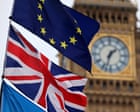
Prime Minister Outlines Potential Agreement Framework
During high-level discussions at the European Political Community gathering in Dublin, the Prime Minister has indicated that an EU deal benefiting both parties appears achievable. Burnham expressed optimism regarding negotiations, suggesting that a fresh accord could ultimately reflect what voters originally envisioned during the 2016 referendum campaign.
The EU deal represents a significant diplomatic initiative as Britain seeks to realign its relationship with continental European partners. Senior government officials have indicated that forthcoming negotiations could produce an arrangement more closely matching public expectations from the initial Brexit vote.
Dublin Summit Sets Stage for Further Negotiations
The gathering of European leaders in Dublin provided an important platform for preliminary discussions before next week's scheduled EU-UK bilateral summit. This sequence of diplomatic engagements underscores the government's commitment to fostering closer ties with European institutions and member states.
Burnham's participation alongside fellow European leaders demonstrated Britain's renewed engagement with continental affairs. The informal setting of the European Political Community summit allowed for candid exchanges regarding potential frameworks for future cooperation.
Brexit Vision and Modern Reality Converge
A central theme emerging from these discussions concerns the gap between 2016 campaign promises and subsequent Brexit negotiations. The Prime Minister's comments suggest that officials believe contemporary discussions could bridge this divide more effectively than previous attempts.
The concept of a win-win arrangement reflects a desire to move beyond adversarial posturing toward mutually beneficial cooperation. Such an approach would theoretically address legitimate British interests while acknowledging legitimate European concerns regarding trade, security, and regulatory alignment.
Strategic Context of Upcoming EU-UK Summit
Next week's formal EU-UK summit represents the culmination of weeks of preliminary diplomatic groundwork. The timing indicates momentum behind efforts to reset bilateral relations on firmer foundations than existed during the immediate post-Brexit transition period.
Government sources have suggested that negotiating teams have identified specific areas where compromise appears feasible. These include potential frameworks for regulatory cooperation, trade facilitation measures, and enhanced security partnership arrangements.
Public Expectations and Political Feasibility
Burnham's language regarding an EU deal that resembles original Brexit expectations carries significant political implications domestically. Many voters across the United Kingdom have expressed frustration with outcomes differing from campaign rhetoric across the political spectrum.
By framing potential negotiations as returning to fundamental 2016 principles, government communications attempt to demonstrate responsiveness to democratic mandates. This messaging strategy acknowledges legitimate public dissatisfaction with certain post-Brexit arrangements while proposing constructive forward movement.
European Political Community Context
The broader European Political Community framework represents an evolving structure for continental cooperation extending beyond traditional European Union membership. Britain's participation signals both integration into European affairs discussions and maintenance of independent decision-making capacity.
This multilateral setting provided valuable opportunity for Burnham to gauge receptiveness among various European leaders to renewed UK engagement. Informal discussions during such summits often prove as significant as formal negotiating sessions.
Path Forward for UK-EU Relations
The sequence of diplomatic initiatives suggests a structured approach toward relationship restoration. Rather than attempting comprehensive renegotiation of fundamental Brexit arrangements, officials appear focused on identifying discrete areas for improved cooperation.
A win-win EU deal framework would theoretically require flexibility from both British and European sides. Preliminary indications suggest sufficient willingness exists to explore concrete proposals during formal negotiations.
The coming weeks will reveal whether preliminary optimism translates into substantive agreements. Next week's EU-UK summit will provide essential clarity regarding genuine negotiating parameters and realistic expectations for relationship recalibration.