
Energy Meter Reading Crucial as Household Bills Surge 13%
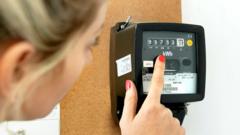
Energy Meter Reading Becomes Essential as Bills Climb
The importance of regular energy meter reading has reached a critical juncture as household energy prices continue their upward trajectory. With annual increases of 13%, consumers face mounting pressure to monitor their consumption closely. The latest regulatory framework from Ofgem establishes new price benchmarks that directly affect millions of households across the country, making accurate energy meter reading more vital than ever before.
Understanding the Price Cap Impact
Ofgem's most recent price cap implementation marks a significant shift in how energy costs are calculated for residential consumers. This regulatory adjustment has triggered widespread concern among homeowners struggling with increased utility expenses. The 13% annual rise represents a substantial burden on household budgets, particularly affecting families already dealing with financial constraints. Understanding how these price adjustments translate into real bills requires consumers to actively engage with their energy consumption patterns.
Why Energy Meter Reading Matters Now
Accurate energy meter reading serves as the foundation for fair billing practices. When households fail to provide regular meter readings, energy suppliers often resort to estimated consumption figures. These estimates frequently overstate actual usage, resulting in inflated bills that burden consumers unnecessarily. By taking responsibility for energy meter reading themselves, householders can ensure billing accuracy and identify opportunities for consumption reduction.
The practice of submitting regular energy meter readings prevents accumulation of debt based on incorrect estimates. Suppliers cannot adjust bills retroactively if customers maintain an up-to-date record through consistent meter reading submissions. This protection becomes increasingly important when facing the current economic pressures created by elevated price caps.
Steps for Proper Meter Reading
Household energy meter reading involves locating the meter, typically positioned outside the property or in utility closets. Consumers should record the numbers displayed on the meter face, noting each digit in sequence from left to right. Digital meters display readings straightforwardly, while older analogue meters require careful observation to avoid misreading.
Submitting energy meter readings regularly—ideally monthly—provides suppliers with accurate consumption data. Most energy companies now offer online portals for convenient meter reading submission. Smartphone applications have simplified the process further, allowing customers to photograph and upload meter readings directly.
Financial Implications of Accurate Readings
The financial consequences of neglecting energy meter reading extend beyond simple billing disputes. Households may accumulate thousands of pounds in estimated charges that never reflect actual consumption. During periods of rising prices, this discrepancy becomes particularly costly. Ofgem's price cap, while intended to protect consumers, relies on accurate usage data to function effectively.
Customers who maintain consistent energy meter reading practices gain leverage when disputing charges or switching suppliers. They possess documented evidence of their consumption patterns, enabling better comparison shopping among energy providers. This transparency helps consumers identify providers offering the most competitive rates relative to their specific usage profile.
Consumer Advocacy and Price Cap Awareness
Industry experts emphasize that Ofgem's price cap protections function optimally only when consumers actively participate through energy meter reading and consumption monitoring. Passive acceptance of supplier estimates undermines the regulatory framework designed to protect household interests. Advocacy groups encourage widespread adoption of meter reading habits as a consumer empowerment strategy.
The 13% price increase has prompted renewed calls for consumer engagement with energy management practices. Households reading their own energy meters demonstrate increased awareness of consumption patterns and frequently identify conservation opportunities. This awareness often leads to behavioral changes that further reduce expenses beyond what price cap protections alone can achieve.
Conclusion
As household energy prices rise under Ofgem's latest price cap framework, the simple act of energy meter reading becomes a powerful consumer tool. Regular readings ensure billing accuracy, prevent estimate-based overcharges, and empower households to make informed decisions about their energy consumption. In an era of 13% annual price increases, taking control of your energy meter reading represents one of the most accessible and effective strategies for managing household utility costs.


