
Eleven Deaths Reported in Israeli Military Operations
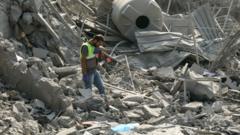
Deadly Israeli Military Operations in Southern Lebanon
Eleven individuals have been confirmed dead following Israeli strikes on southern Lebanon, marking a significant escalation in ongoing regional tensions. The Israeli military confirmed it had conducted targeted operations against what officials described as Hezbollah terror infrastructure in response to preceding military engagements.
The Israeli Defense Forces (IDF) stated that the strikes constituted a measured response to what they characterized as earlier hostile actions directed at Israeli military personnel. According to military spokesman statements, the operations targeted specific facilities and positions believed to be connected to Hezbollah's operational capabilities in the region.
Military Response and Justification
Israeli authorities maintained that the Israeli strikes on Lebanon were conducted in direct response to attacks that had been launched against Israeli soldiers. The military articulated that such defensive operations were necessary to protect personnel and counter perceived threats emanating from southern Lebanon territories controlled or influenced by Hezbollah.
Officials from the Israeli military emphasized that the operations were precision-focused efforts aimed at infrastructure rather than civilian populations. However, the reported casualties raise questions about civilian impact in the affected areas of southern Lebanon.
Regional Context and Tensions
The incident reflects deepening tensions between Israeli forces and Hezbollah along the Lebanon-Israel border region. Southern Lebanon has been a flashpoint for military confrontations, with repeated cycles of attacks and counter-attacks between the two parties over an extended period.
Hezbollah, designated as a terrorist organization by Israel and several Western nations, maintains significant military capabilities and presence in southern Lebanon. The organization has previously engaged in armed conflict with Israeli forces, most notably during the 2006 war that resulted in substantial civilian casualties on both sides.
Civilian Impact and Humanitarian Concerns
The deaths of eleven individuals in the Israeli strikes has intensified humanitarian concerns regarding civilian protection in conflict zones. Southern Lebanon, home to mixed populations of civilians and militant infrastructure, faces ongoing risks from military operations in the area.
Local authorities and humanitarian organizations have expressed alarm over the escalating violence and its impact on civilian communities. The region continues to experience displacement, economic hardship, and limited access to essential services due to the persistent security situation.
International Response and Diplomatic Implications
The reported Israeli strikes on Lebanese territory are likely to draw international scrutiny and diplomatic responses from regional and global actors. The United Nations and various countries have historically called for restraint and de-escalation in Israeli-Lebanon conflicts to prevent further destabilization of the region.
The cycle of military operations and retaliatory actions continues to complicate efforts toward sustainable peace agreements and regional stability. International mediators and humanitarian agencies are monitoring the situation closely as tensions remain elevated.
Looking Forward
The aftermath of these Israeli strikes on southern Lebanon will likely influence both military and diplomatic calculations among key stakeholders in the region. The incident underscores the fragile security environment along the Israel-Lebanon border and the persistent risks faced by civilian populations living in areas affected by ongoing military tensions.
Both Israeli and Lebanese authorities face pressure to prevent further escalation while addressing underlying security concerns and protecting civilian populations from harm during military operations.


