
Electric Vehicle Insurance Costs: Why EVs Are Expensive
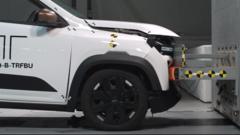
Understanding Electric Vehicle Insurance Costs
The premium expenses associated with electric vehicle insurance costs remain a significant barrier for prospective buyers considering the switch to sustainable transportation. While electric vehicles offer substantial environmental and operational advantages, the financial investment required for comprehensive insurance coverage continues to deter many consumers from making the transition to battery-powered automobiles.
Several interconnected factors contribute to the elevated pricing structure of electric vehicle insurance costs in today's market. Insurance companies assess risk differently for EVs compared to conventional internal combustion engine vehicles, taking into account distinctive repair requirements, component availability, and technological complexity inherent to electric powertrains.
Why Insurance Companies Charge Premium Rates for Electric Vehicles
Repair and Replacement Expenses
The specialized repair infrastructure for electric vehicles remains underdeveloped in many regions. When an EV sustains damage requiring component replacement, repair shops often face elevated costs due to limited parts availability and the necessity for technician training on advanced battery systems and electrical components. Battery replacement represents the most substantial expense, with costs potentially reaching tens of thousands of dollars for a complete unit replacement.
Claims Data and Risk Assessment
Insurance underwriters base their pricing models on historical claims data and risk assessment metrics. Electric vehicles represent a relatively recent category in the broader automotive market, creating a limited statistical foundation for accurate premium calculation. The absence of extensive long-term claims history prompts insurance companies to apply conservative pricing strategies to compensate for uncertainty regarding potential claim frequencies and repair cost escalation.
Technological Complexity
Modern electric vehicles incorporate sophisticated battery management systems, regenerative braking mechanisms, and integrated computer networks that surpass those found in traditional vehicles. This technological sophistication necessitates specialized diagnostic equipment and trained personnel for proper assessment and repair, substantially increasing the operational costs that insurance companies ultimately transfer to policyholders through higher premiums.
The Impact on Consumer Adoption
The cumulative effect of elevated electric vehicle insurance costs significantly impacts the total cost of ownership calculations that consumers perform when evaluating vehicle purchase decisions. While subsidies and tax incentives address the initial purchase price, they frequently fail to account for insurance expense projections, creating a misleading representation of long-term financial commitment required for EV ownership.
Prospective buyers conducting comprehensive economic analyses discover that insurance premiums for electric vehicles can exceed those of comparable gas-powered alternatives by fifteen to thirty percent, depending on geographical location, vehicle model, and driver profile. This financial reality has prompted many consumers to postpone their transition to electric transportation until competitive insurance pricing emerges.
Solutions and Industry Initiatives
Expanding Repair Infrastructure
Automotive manufacturers and insurance industry stakeholders recognize that infrastructure expansion represents a critical pathway toward reducing electric vehicle insurance costs. Investment in technician training programs, certified repair facility networks, and parts distribution systems continues to accelerate, gradually improving accessibility to specialized services and reducing overall repair expense projections.
Insurance Product Innovation
Progressive insurance providers have begun developing EV-specific coverage products designed to address the unique requirements of battery-powered vehicles. These specialized policies incorporate provisions for battery degradation monitoring, enhanced roadside assistance geared toward charging-related emergencies, and adjusted repair cost algorithms that more accurately reflect current market conditions.
Data Collection and Actuarial Analysis
As the electric vehicle market matures and claim data accumulates, insurance companies gain increasingly sophisticated understanding of actual risk profiles associated with different EV models. This expanding database enables more precise premium calculations and the potential for significant reductions in electric vehicle insurance costs for drivers demonstrating favorable safety records.
Manufacturer Participation Programs
Several major automotive manufacturers have established partnerships with insurance providers to create consumer incentive programs that subsidize a portion of insurance premiums for EV purchasers. These initiatives represent manufacturer commitments to reducing overall ownership barriers and accelerating market adoption of electric vehicles.
Looking Forward: Long-term Cost Reductions
Industry observers anticipate that electric vehicle insurance costs will gradually decline as multiple market factors converge favorably. Increased competition within the specialized insurance segment, maturation of repair infrastructure networks, and the accumulation of comprehensive claims data should collectively contribute to more competitive pricing structures within the coming years.
Consumers currently considering electric vehicle purchases can explore multiple strategies to minimize insurance expenses, including comparison shopping across specialized providers, investigating manufacturer incentive programs, and evaluating coverage options that balance comprehensive protection with cost efficiency. As the automotive market continues its fundamental transformation toward electrification, insurance sector adaptation represents an essential component of ensuring equitable access to sustainable transportation solutions.


