
Electric Power Innovations Transform Aviation Fuel Industry
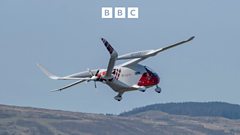
Electric Power Revolutionizes Aviation Industry
The aviation sector is undergoing a significant transformation as electric power aviation emerges as a leading contender among cleaner alternatives to conventional jet fuel. This shift represents a pivotal moment in aviation history, where environmental concerns and technological advancement converge to reshape how aircraft are powered.
Understanding Clean Fuel Alternatives
For decades, traditional aviation fuel has dominated the industry, contributing substantially to global carbon emissions. Today, electric power aviation stands alongside other innovative solutions, offering operators and manufacturers new pathways toward sustainability. These clean fuel alternatives are not merely experimental concepts but increasingly practical technologies being integrated into commercial operations worldwide.
The Rise of Sustainable Aviation Solutions
Among the various clean fuel options available, electric systems have garnered particular attention due to their zero-emission potential. Battery technology continues advancing at remarkable speeds, enabling longer flight ranges and heavier aircraft to operate on electric systems. Manufacturers are investing billions in research and development to perfect these technologies for mainstream adoption.
Environmental Impact and Benefits
The environmental advantages of transitioning from traditional fuel to electric power aviation are substantial and measurable. Aircraft powered by electricity produce zero direct emissions, significantly reducing the aviation industry's carbon footprint. Additionally, electric systems operate with considerably less noise pollution compared to traditional combustion engines, addressing another major environmental concern affecting communities near airports.
Economic Considerations
While initial implementation costs remain high, the long-term financial benefits of adopting clean fuel alternatives are compelling. Operating expenses decrease substantially as electricity typically costs less than jet fuel. Maintenance requirements also diminish since electric motors contain fewer moving parts than traditional engines, resulting in reduced downtime and operational efficiency gains.
Current Development and Implementation
Several aviation manufacturers and startups are actively developing sustainable aviation fuel technologies, with electric propulsion leading the charge. Regional aircraft manufacturers have begun certification processes for electric models designed for shorter routes, potentially entering service within the coming years. These initiatives demonstrate that electric power aviation is transitioning from theoretical possibility to commercial reality.
Challenges and Limitations
Despite tremendous progress, significant challenges remain in scaling electric aviation for larger aircraft. Battery weight limitations currently restrict electric systems to shorter routes and lighter planes. Energy density requirements for long-haul flights necessitate continued technological breakthroughs in battery chemistry and materials science.
Industry Innovation and Future Outlook
The aviation industry's commitment to clean fuel alternatives reflects broader societal demands for environmental responsibility. Major carriers are establishing sustainability goals, pledging significant investments in aircraft electrification and renewable energy sources. Government incentives and regulations are accelerating this transition, creating favorable conditions for rapid development and deployment.
Hybrid Solutions and Intermediate Steps
Beyond purely electric systems, hybrid-electric aircraft represent important stepping stones toward full electrification. These aircraft combine traditional engines with electric motors, reducing fuel consumption and emissions while maintaining extended range capabilities. This transitional approach allows operators to benefit from electric power aviation advantages while technology matures.
Global Regulatory Framework
International aviation authorities are developing certification standards and safety protocols for electric aircraft, establishing the regulatory foundation necessary for widespread adoption. These frameworks ensure that sustainability goals align with rigorous safety requirements, protecting both passengers and the environment.
Conclusion: The Future of Aviation
Electric power aviation represents far more than a passing trend; it symbolizes aviation's fundamental transformation toward sustainability. As clean fuel alternatives become increasingly viable and economically attractive, the industry continues its shift away from traditional fuel dependence. The convergence of environmental necessity, technological capability, and economic incentive positions electric systems at the forefront of aviation's future, promising cleaner skies and more sustainable air travel for generations to come.


